

Structural Defects, Cracks and Subsidence
Get Expert Help Today
Structural issues can make a home unsafe. Cracks, loose brickwork, sinking floors and subsidence can put your health at risk and damage your belongings. If your landlord has ignored these problems, you may be entitled to repairs and compensation.
✔ Cracks in walls or ceilings
✔ Signs of building movement
✔ Subsidence or sinking floors
✔ Bulging or unstable walls
✔ Loose brickwork or damaged foundations
✔ Unsafe doors or windows that no longer fit
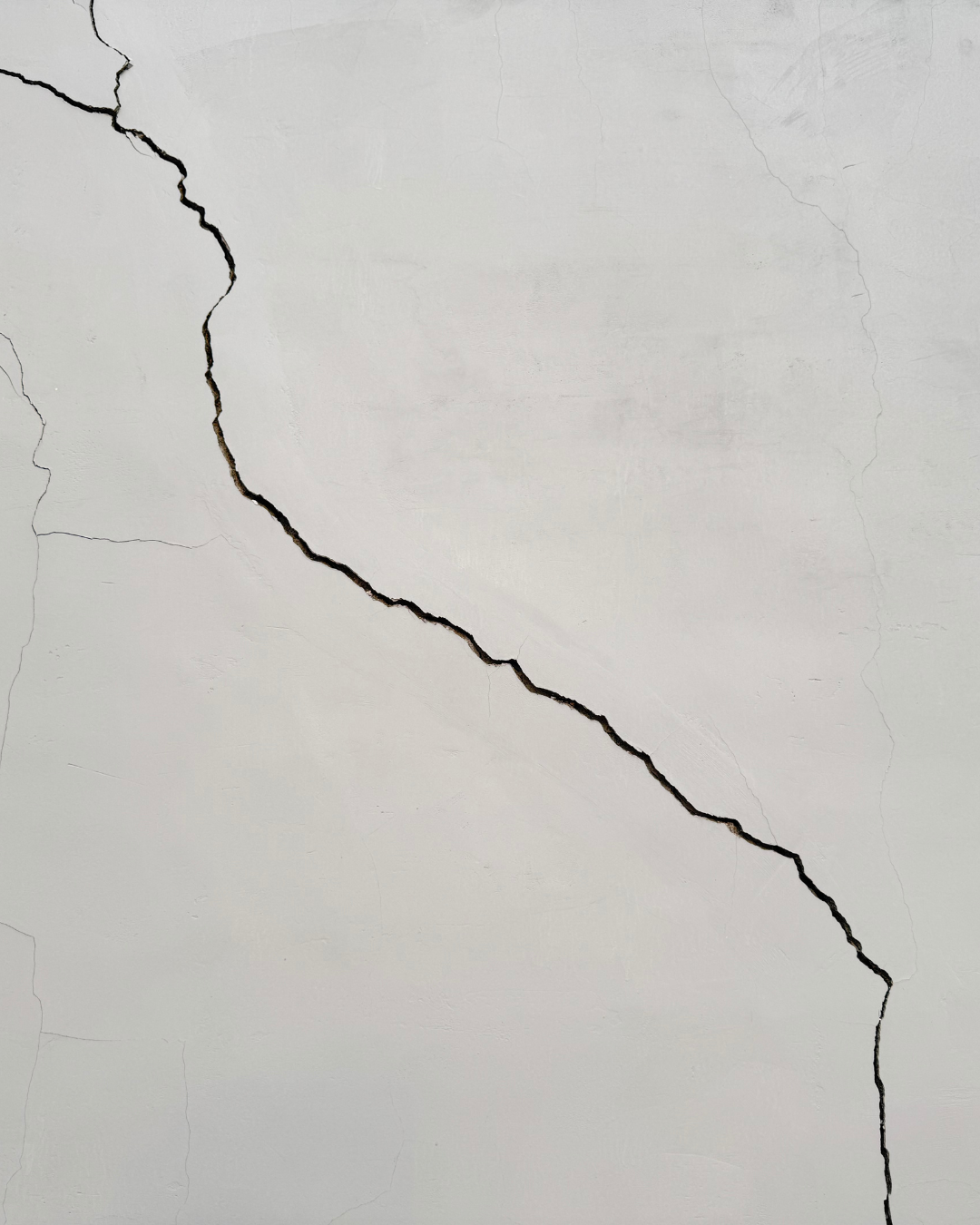
Cracks in Walls or Ceilings
Cracks can be a sign of deeper problems within the structure of the building. While small hairline cracks can be cosmetic, larger, spreading or recurring cracks usually point to structural faults, damp penetration or movement in the property.
Common warning signs include:
• Cracks that widen over time
• Diagonal cracks across walls
• Gaps forming around doors and windows
• Cracks that return after being filled
• Damage linked to leaks or damp patches
If your landlord has ignored these signs, you may have grounds for a housing disrepair claim.
Structural Defects in Your Home
Structural defects affect the safety and integrity of the property. They often develop due to damp, long-term leaks, poor construction, wear and tear or landlord neglect.
Common structural defects include:
• Bowing or bulging walls
• Sagging ceilings
• Loose or damaged brickwork
• Weak or rotten timber
• Unstable internal walls
• Floors that dip or feel uneven
These issues can become dangerous if left untreated. Your landlord is legally responsible for maintaining the structure of the home and ensuring it is safe to live in.

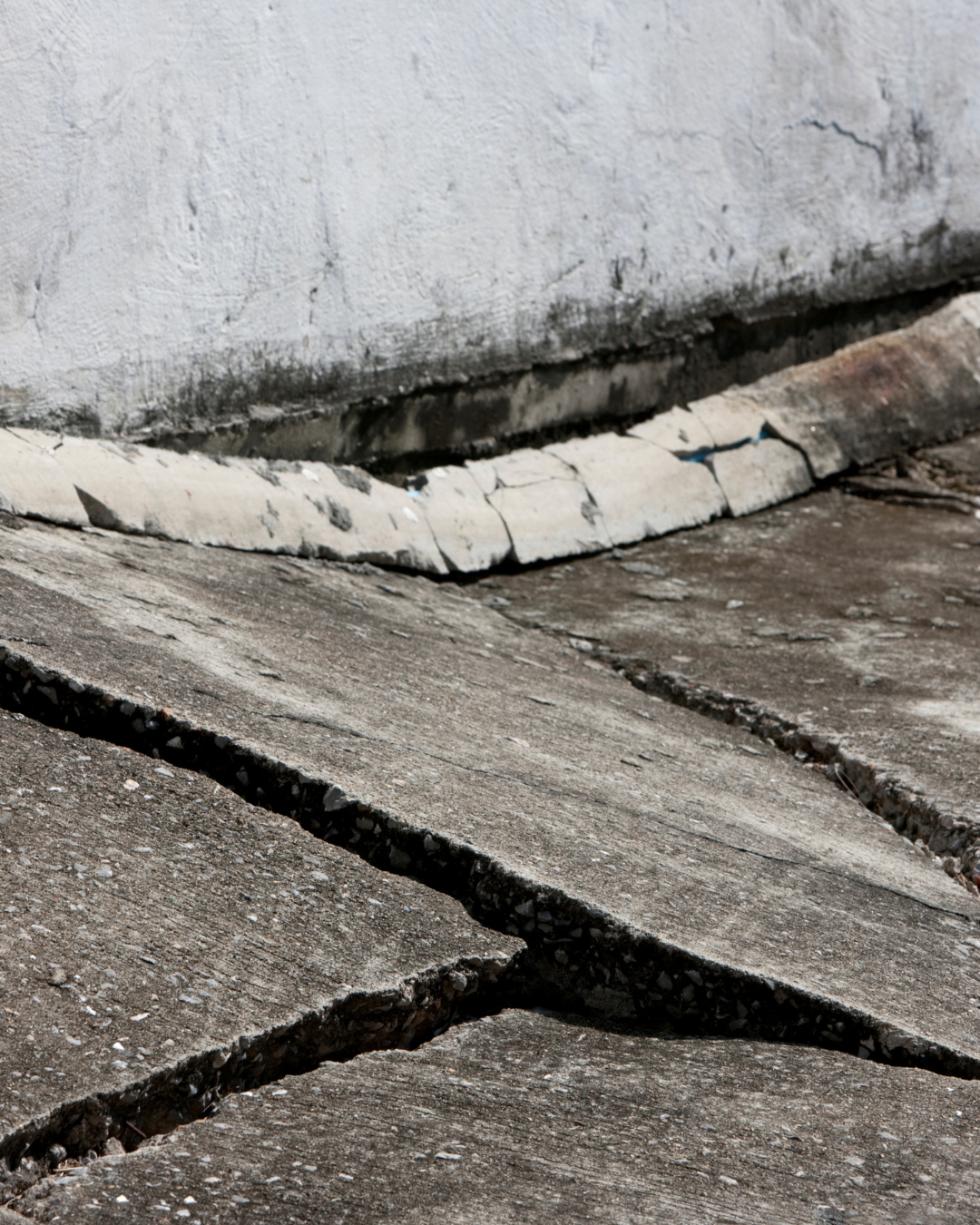
Subsidence and Building Movement
Subsidence occurs when the ground beneath the property sinks or shifts, causing the building to move. This is a serious issue that must be investigated and repaired quickly. Tenants cannot cause subsidence, and landlords must take immediate action when signs appear.
Common signs of subsidence include:
• Cracks wider at the top than at the bottom
• Doors or windows that no longer close properly
• Floors sloping or sinking
• Gaps between walls, skirting boards or ceilings
• External cracks in brickwork or rendering
Ignoring subsidence can put your safety at risk. If your landlord has failed to act, you may be entitled to both repairs and compensation.
Need Fast Legal Advice? Call Us Now.
If you are dealing with cracks, structural movement or signs of subsidence and your landlord is not taking action, our housing disrepair specialists are ready to step in. We act quickly to secure essential repairs, protect your safety and pursue compensation where you have suffered inconvenience, damage or stress.
📞 0161 436 0000 for a free consultation.
Or fill in the contact form and we’ll get back to you as soon as possible.