

Business transfers
We advise buyers and sellers on business transfers, helping you identify risk, protect value, and complete the transaction on clear, commercially sound terms.
Get Started →
Business Transfers
Buying or selling a business is a high-stakes process where timing, documentation, and risk control matter. We guide buyers and sellers through the transaction with clear advice, thorough due diligence, and commercially focused drafting.
Business Sale & Purchase
Advice for buyers and sellers on the structure, negotiation, and progression of a business transfer.
Transaction Documents
Drafting and negotiating the core documents that allocate risk and protect value in the deal.
Due Diligence & Risk
Identifying liabilities, assessing exposure, and reviewing the legal and commercial risks before commitment.
People & Premises
Advice on employee transfer obligations and property issues that can affect completion and continuity.
Completion & Post-Completion
Support through signing, completion mechanics, and the practical legal steps that follow the transaction.
Speak to a Solicitor
For urgent advice or to discuss a transaction, call us directly.
Call 0161 436 0000How we support your business transfer
Buying or selling a business requires control, clarity, and careful risk management. We guide you through each stage of the transaction, keeping the process efficient while protecting value.
Initial structuring and planning
We assess whether an asset or share sale is appropriate, review heads of terms, and identify key legal and commercial risks from the outset.
Due diligence and negotiation
We carry out or respond to due diligence, negotiate terms, and draft the core documents to allocate risk clearly and protect your position.
Completion and post-completion
We manage signing and completion, ensure funds and documents are handled correctly, and deal with the legal steps required after the transaction.
Whatever your situation, our solicitors can provide clear, confidential guidance tailored to you.
Whatever your situation, our solicitors can provide clear, confidential guidance tailored to you.
Business Transfer FAQs
Answers to common questions from buyers and sellers on risk, structure, and completing a business transfer.
What is a business transfer?
A business transfer is the legal process of buying or selling a business, either through an asset sale or a share sale. It involves structuring the deal, negotiating terms, and transferring ownership in a way that protects value and manages risk.
What is the difference between an asset sale and a share sale?
An asset sale transfers specific assets and liabilities, allowing the buyer to control what is acquired. A share sale transfers ownership of the company itself, including its full history, risks, and obligations.
What is due diligence and why does it matter?
Due diligence is the process of investigating the business before committing. It identifies legal, financial, and operational risks, allowing informed decisions and giving leverage to renegotiate or adjust the deal.
What are warranties and indemnities?
Warranties are statements about the business given by the seller, with potential claims if they are untrue. Indemnities provide direct protection against specific risks, ensuring compensation if those risks materialise.
How long does a business transfer take?
Most transactions take around 6 to 12 weeks, depending on complexity, the scope of due diligence, and how quickly both sides progress negotiations and documentation.
What happens to employees during a business transfer?
In many cases, employees transfer automatically to the buyer under TUPE regulations, preserving their employment rights and continuity of service.
Can a commercial lease be transferred as part of the sale?
Yes, but landlord consent is usually required. Lease terms need careful review as they can affect timing, cost, and whether the transaction can complete.
What documents are involved in a business transfer?
Key documents typically include the sale agreement, disclosure letter, warranties and indemnities, and any supporting documents such as lease assignments or employment-related agreements.
What happens at completion?
Completion is when ownership transfers. Funds are exchanged, documents are signed, and control of the business passes to the buyer.
When should I involve a solicitor?
Ideally at the earliest stage, before heads of terms are agreed. Early advice helps structure the deal properly, identify risk, and avoid delays or costly issues later.
Latest News & Useful Information
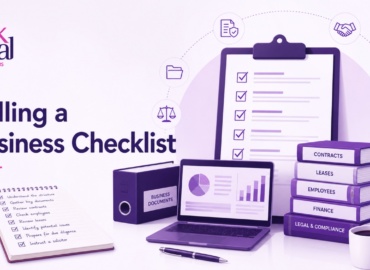
Preparing to sell a business involves much more than finding a buyer. This practical checklist explains the legal steps sellers should take before negotiations begin, from organising contracts and documents to preparing for due diligence and completion.
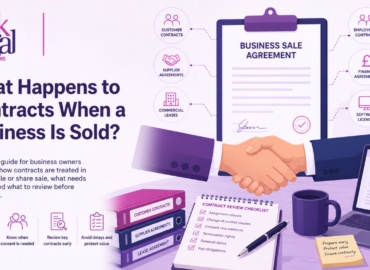
Selling a business involves much more than agreeing a purchase price. Learn what legal work is involved, what affects the overall cost of a transaction, and how careful preparation can help keep your sale on track.