

Completion & Post-Completion Support
Completion is the stage where the transaction moves from signed documents to legal and practical reality. Success depends on satisfying completion conditions, coordinating documents, funds and timing, and ensuring the legal steps after completion are completed so ownership and control transfer effectively.
Get Started →
What is completion?
Completion is the point at which the agreed transfer takes legal effect and the parties perform the obligations required to exchange ownership, control and payment. It may occur when the transaction documents are signed, or signing and completion may be separated by a period in which conditions must be satisfied.
Signing records the parties' binding obligations. Completion implements them. A signed Business Sale Agreement may require consents, finance, regulatory approval, property documentation, employee steps or other conditions before the buyer is entitled or obliged to complete.
Completion is not the final administrative act. Notices, tax processes, registrations, corporate records, releases, asset transfers and continuing obligations may remain. Missing those steps can delay legal title, breach the agreement or prevent the buyer operating as intended.
How do we ensure the transaction completes properly, and what must still happen afterwards?
See our wider services for buying a business and selling a business.
Why completion matters
Completion is the point at which preparation, negotiation and documentation must work together. A failure in one workstream can affect the entire transaction.
Conditions must be satisfied
Conditions determine whether the parties are required or permitted to complete. Finance, regulatory approval, landlord consent, third-party waivers and agreed corrective work may all need evidence of satisfaction or a valid waiver before funds and control move.
Documents and money must move in sequence
The main agreement, transfers, approvals, releases, property documents and supporting deliverables must be executed correctly and become effective in the intended order. Purchase price, adjustments, retentions, repayments and third-party sums also need verified instructions and a controlled funds-flow statement.
Legal and operational control must align
Buyers, sellers, banks, landlords, regulators and advisers may all need to act during the same window. The mechanics should transfer the shares, assets, rights and control actually agreed—not merely create an incomplete promise to deal with them later.
How our completion solicitors help
We manage the transition from negotiated agreement to legal and operational implementation, giving each party a clear timetable, responsibility and completion sequence.
Preparing the transaction
We review outstanding conditions, approvals, documents, signatures, funds and dependencies and maintain a completion checklist identifying what remains.
Coordinating completion
We manage signing, document release, funds flow, party communications, confirmation and the sequence in which ownership and control pass.
Implementing afterwards
We complete required filings, notices, registrations, records and continuing actions and monitor matters that remain open after completion.
Preparing for completion
Preparation converts every negotiated obligation into a document, payment, approval or action with a named owner and deadline.
-
Confirm the outstanding conditions and consents
Finance, regulatory approval, landlord consent, counterparty waivers and corrective actions must be tracked. Delay or conditional consent may require a revised completion plan.
-
Settle every completion document
Transfers, assignments, disclosures, board minutes, resignations, releases and certificates should be agreed in final form with valid signing and witnessing arrangements.
-
Verify authorities and financial arrangements
Each party needs the necessary corporate approval and authorised signatories. Funding, repayment figures, bank details and payment instructions should be checked and available when required.
-
Control the completion checklist
The checklist should record each deliverable, status, owner, signatory, release condition and post-completion action so that dependencies remain visible.
What happens on completion day?
The precise sequence depends on the transaction, but documents, funds and control must be released in a coordinated way with a clear record of when completion occurred.
Final execution and document release
The parties check that every document has been validly executed. Signatures and documents may be held pending confirmation that all sides are ready. Items held to order should only be released when the agreed conditions have been met.
Funds and ownership transfer
Purchase money and other completion payments move according to verified instructions, taking account of banking cut-offs and cleared funds. Share transfers, asset documents, assignments and deliveries then take effect, subject to any registrations or third-party steps required to perfect title.
Completion is confirmed and recorded
The parties and advisers confirm that completion has occurred, record the time and identify anything agreed to follow afterwards. Funders, accountants, property advisers and operational teams may depend on that confirmation before taking their own steps.
Post-completion support
After funds and control move, further work may be needed to perfect title, update third parties and implement obligations continuing under the agreement.
Notices, registrations and filings
Landlords, counterparties, employees, banks and authorities may need prescribed notices. Changes in ownership, property, security or intellectual property may require registration, together with company, regulatory or tax filings.
Operational implementation
Contracts, systems, records, communications, premises, employees and intellectual property may require practical handover after legal completion so that ownership and day-to-day control align.
Continuing obligations
Deferred consideration, earn-outs, transitional support, restrictive covenants, releases, record access and claims procedures may continue for months or years and need a clear owner and timetable.
Managing completion risk
Execution risk is reduced through early preparation, controlled documents and clear authority. These stages create a record of readiness, completion and follow-up.
Review outstanding conditions
Confirm what must be satisfied, who provides the evidence and whether waiver is permitted or commercially acceptable.
Prepare completion documents
Agree final form, execution method, signatories, witnesses, custody and release instructions for every deliverable.
Coordinate all parties
Align buyer, seller, banks, funders, landlords, accountants and advisers around one checklist, timetable and communication route.
Manage the mechanics
Control signatures, funds, document release and transfer steps so that no party performs without the agreed reciprocal actions.
Confirm completion
Record that completion has occurred, circulate executed documents and identify every agreed item remaining open.
Complete follow-up requirements
Track filings, registrations, notices and implementation until the transaction has taken full legal and practical effect.
Every condition, document, payment and follow-up requirement should be verified and recorded.
Related guides and services
Explore the transaction work that feeds into completion and the specialist transfers that may continue afterwards.
Common completion issues
Problems are most disruptive when first discovered on the intended completion day. Early status reviews and clear responsibility tracking provide time to resolve them.
Conditions, consents or documents remain outstanding
An approval, corrective step, transfer, release or certificate may still be missing. Completion could be prohibited, postponed or allowed to proceed only through a commercially acceptable waiver or alternative arrangement.
Funds and workstreams are not aligned
Banking cut-offs, incorrect details or delayed clearance can prevent documents from releasing safely. Different readiness across property, employment and operational workstreams can also leave employees, premises, customers and control out of step.
Execution is incomplete or defective
A deed may lack proper witnessing, authority or a required party. Unclear release instructions can create further uncertainty about enforceability and whether completion has legally occurred.
Post-completion work is overlooked
Missed filings, registrations, notices or tax processes can lead to penalties, delayed title or contractual breach. Implementation delays can leave the buyer owning the business without being able to operate it as planned.
Completion & Post-Completion FAQs
These answers provide a general overview. The completion sequence and follow-up requirements depend on the transaction structure and documents.
What is the difference between signing and completion?
Signing creates the binding agreement; completion implements the transfer. They can occur together or be separated while conditions are satisfied. The agreement should state when ownership, control, risk and payment move.
Why can completion be delayed?
Common reasons include outstanding consent, finance, regulatory approval, missing documents, unresolved due diligence, banking delays and incomplete property or employee work. A completion checklist should identify dependencies early.
What happens on completion day?
Documents and signatures are checked, funds are transferred, agreed deliverables are released, ownership steps take effect and the parties confirm completion. The precise order depends on the agreement and transaction.
What are completion conditions?
They are requirements that must be satisfied or validly waived before completion. Examples can include finance, landlord consent, regulatory approval, third-party waivers and corrective action identified during due diligence.
When are funds transferred?
Funds are transferred according to the agreement and funds-flow statement, usually as part of the coordinated completion sequence. Bank details, payment authority, clearance and release conditions should be verified beforehand.
What documents are exchanged at completion?
Documents may include the main agreement, share or asset transfers, disclosure, board approvals, resignations, releases, assignments, property documents, certificates and records. The set depends on what is being transferred.
What are post-completion steps?
They can include notices, registrations, company records, tax processes, regulatory filings, asset handover, contract updates, property registration and implementation of continuing obligations.
Can problems arise after completion?
Yes. Missing filings, delayed title, handover failures, deferred payment, earn-out disputes, warranty claims and unresolved conditions can all arise. The agreement and completion record should provide clear procedures and responsibility.
How long do post-completion requirements take?
Some actions are immediate; registrations, tax processes, consents and continuing arrangements can take longer. The applicable deadline and processing time depend on the transaction and authority involved.
When should I seek legal advice?
Completion planning should begin while the agreement is negotiated, not on the intended completion day. Early advice helps ensure conditions, documents, funds and follow-up obligations are realistic and coordinated.
Clear advice on Completion & Post-Completion Support
Completion is where a transaction becomes legally and commercially effective. Early legal support helps coordinate the process, satisfy completion requirements and ensure the legal steps after completion are completed correctly so the transaction achieves its intended outcome.
Readiness review
We identify outstanding conditions, documents, funds and dependencies.
Controlled execution
We coordinate signatures, document release, payment and completion confirmation.
Clear ownership
We ensure the transfer steps reflect the shares, assets and control agreed.
Follow-through
We manage filings, notices, registrations and continuing implementation.
Speak to a solicitor before the completion timetable and dependencies become fixed.
Latest News & Useful Information
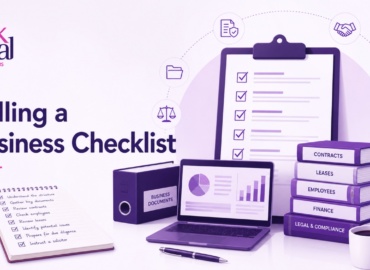
Preparing to sell a business involves much more than finding a buyer. This practical checklist explains the legal steps sellers should take before negotiations begin, from organising contracts and documents to preparing for due diligence and completion.


Selling a business involves much more than agreeing a purchase price. Learn what legal work is involved, what affects the overall cost of a transaction, and how careful preparation can help keep your sale on track.