

Selling a business
We advise business owners on selling their business, protecting value and limiting the liabilities they retain after completion. From preparing for buyer scrutiny and choosing the right transaction structure to negotiating the Business Sale Agreement and completing the transfer, we help you manage the sale and work towards a clean exit.
Get Started →
What does selling a business involve?
Selling a business involves more than finding a buyer and agreeing a price. The parties must decide what is being sold, investigate the legal position of the business and negotiate how risk will be allocated before and after completion.
The transaction may be structured as an asset sale, involving selected assets and liabilities, or as a share sale, involving the transfer of ownership of the company itself. The chosen structure affects the due-diligence process, transaction documents, employees, contracts, commercial premises and the liabilities you may retain.
Buyers will usually investigate the business before becoming legally committed. Preparing accurate information, responding to enquiries and managing disclosure carefully can protect deal momentum and reduce the risk of claims after the sale.
Who we help
We advise shareholders, owner-managed businesses, entrepreneurs and companies selling an entire business, selected business assets, a subsidiary or part of a wider commercial operation.
Decisions made when negotiating Heads of Terms can affect the sale structure, purchase price, due-diligence process and your potential liability after completion. Taking advice early can help identify problems before they delay the transaction or weaken your negotiating position.
Our business sale solicitors can help you prepare for the transaction, manage buyer scrutiny, negotiate the Business Sale Agreement and complete the sale on terms designed to protect value and support a clean exit.
For a detailed overview of the steps sellers should consider, read our Selling a Business Checklist .
How we guide you through selling a business
A successful business sale requires preparation, careful management of buyer scrutiny and clear control of the transaction documents. We guide you through each stage while helping to protect value and limit your exposure after completion.
Preparation and deal structure
We review the proposed Heads of Terms, advise on whether an asset sale or share sale is appropriate and identify legal issues that could affect the price, timetable or ability to complete.
Due diligence, disclosure and negotiation
We help you respond to the buyer’s enquiries, manage disclosure and negotiate the Business Sale Agreement, warranties, indemnities and limits on your potential liability.
Completion and clean exit
We coordinate signing, funds and the transfer arrangements, then deal with the notices, registrations and other obligations required after completion.
What do our business sale solicitors do?
We manage the legal aspects of selling your business, from the initial terms and transaction structure through due diligence, negotiation, completion and the steps required to support a clean exit.
- Reviewing and negotiating Heads of Terms
- Advising on an asset sale or share sale
- Preparing for legal due diligence and buyer enquiries
- Managing disclosure and protecting your position
- Negotiating the Business Sale Agreement
- Limiting warranties, indemnities and seller liability
- Dealing with contracts, employees and premises
- Managing completion and post-completion requirements
Our objective is to maintain deal momentum, protect the agreed value and negotiate appropriate limits on the liabilities you retain after the sale. We coordinate the legal process and explain the decisions required at each stage so that you remain in control of the transaction.
Preparing your business for sale
Preparing early can make a business sale easier to manage and reduce the risk of avoidable delays once a buyer begins its investigations. It also gives you an opportunity to identify legal issues before they affect negotiations, price or deal certainty.
The preparation required will depend on the business and the proposed transaction structure. Sellers will commonly need to review and organise:
- Company, shareholder and ownership records.
- Customer, supplier and service contracts.
- Employee contracts, policies and accrued liabilities.
- Commercial leases and other property arrangements.
- Intellectual property, websites and digital assets.
- Licences, regulatory permissions and compliance records.
- Existing disputes, complaints and potential claims.
- Information likely to be requested during legal due diligence.
Missing documents, unclear ownership and unresolved contractual or property issues can slow the transaction and create additional points of negotiation. Identifying them early gives you more time to correct the position or decide how it should be disclosed to the buyer.
A well-prepared seller can respond to buyer enquiries more efficiently, maintain momentum and reduce the likelihood of unexpected issues weakening the agreed commercial terms.
For a more detailed breakdown of the steps to consider before and during the transaction, read our Selling a Business Checklist .
Due diligence, disclosure and seller protection
A buyer will usually investigate the business before becoming legally committed to the purchase. Legal due diligence allows the buyer to examine the business, test the information provided and identify matters that could affect the price, structure or contractual protections it requires.
The seller will normally be asked to provide information and documents relating to areas such as:
- Company and ownership records
- Customer and supplier contracts
- Employees and employment liabilities
- Commercial property and leases
- Intellectual property and digital assets
- Licences and regulatory compliance
- Disputes and threatened claims
- Borrowing, security and guarantees
- Data protection arrangements
- Other existing or potential liabilities
Preparing this information early can help the seller respond efficiently and maintain deal momentum. It can also reveal issues that should be resolved, explained or addressed in the transaction documents before they become a source of delay.
Managing disclosure
The buyer will usually ask the seller to give warranties about the business. These are contractual statements covering matters such as ownership, contracts, employees, disputes, property and compliance.
The disclosure process allows the seller to identify qualifications and exceptions to those warranties. Complete and carefully drafted disclosure can reduce the risk of a buyer later alleging that a warranty was inaccurate or that important information was withheld.
Warranties, indemnities and liability limits
Buyers may also seek indemnities for particular risks identified during due diligence. The scope of warranties and indemnities, together with financial caps, time limits and claim procedures, will determine how much exposure the seller retains after completion.
The objective is not simply to provide the buyer with information. Proper disclosure and carefully negotiated liability limits are central to reducing the seller’s risk of claims after the business has been sold.
Learn more about:
Contracts, employees and commercial premises
A business sale must deal with the legal arrangements the business relies on to continue operating. The treatment of contracts, employees and premises will depend on whether the transaction is structured as an asset sale or share sale.
Business contracts
Customer, supplier, software, finance and service agreements can be central to the value of the business. In an asset sale, contracts may need to be assigned or transferred with the other party’s consent. In a share sale, the contracting company remains the same, but change-of-control provisions may still give another party the right to terminate or require consent.
Key contracts should be reviewed early so that consent requirements, termination rights and other restrictions do not delay completion or reduce the value of the transaction.
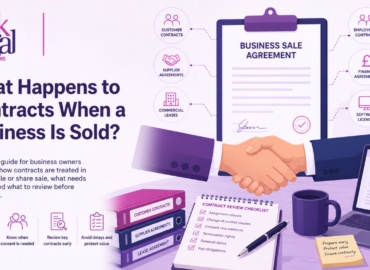
Read our guide: What Happens to Contracts When a Business Is Sold?
Employees and TUPE
In a share sale, employees usually remain employed by the same company because only its ownership changes. In an asset sale, employees assigned to the business may transfer automatically to the buyer under TUPE with their existing terms and continuity of service preserved.
The parties may need to consider employee information, consultation obligations, accrued rights, grievances, disputes and how employment liabilities will be allocated in the transaction documents.
Learn more about TUPE and Employee Transfers .
Commercial premises
If the business operates from leased premises, an asset sale may require an assignment of the lease, landlord consent or a new lease for the buyer. The parties will also need to consider rent, service charges, repair obligations, permitted use and any outstanding breaches.
A share sale does not normally change the tenant company, but the lease may contain change-of-control provisions or other restrictions that must be checked.
Learn more about Commercial Lease Assignments .
Landlords, customers, suppliers, lenders and regulators may need to approve parts of the transaction. Identifying consent requirements early can help prevent avoidable delays close to completion.
Completion and post-completion
Completion is the point at which the transaction documents are signed or take effect, the purchase funds are transferred and ownership of the business or company passes to the buyer.
The precise completion arrangements will depend on the transaction structure. They may include:
- Signing the Business Sale Agreement and related documents.
- Transferring the purchase funds.
- Delivering share certificates, stock transfer forms or asset-transfer documents.
- Transferring control of bank accounts, websites and digital assets.
- Completing lease, contract and licence arrangements.
- Making employee, customer, supplier or regulatory notifications.
- Calculating completion accounts or purchase-price adjustments.
Some obligations continue after completion. The seller may need to provide transitional assistance, deal with deferred consideration, comply with restrictive covenants or respond to matters arising under warranties and indemnities.
The Business Sale Agreement should clearly define any continuing obligations and place appropriate limits on the duration, financial value and circumstances of potential claims.
We coordinate the completion process and help ensure that the required documents, funds, consents and post-completion steps are dealt with correctly.
Learn more about our Completion and Post-Completion Support .
Common issues that can delay a business sale
Business sales can lose momentum when legal or practical issues are identified late in the transaction. Preparing early and maintaining clear communication between the parties can help reduce avoidable delays.
Common causes of delay include:
- Incomplete company, ownership or financial records.
- Missing, unsigned or outdated customer and supplier contracts.
- Slow or incomplete responses to due-diligence enquiries.
- Disagreement over warranties, indemnities and disclosure.
- Unresolved employee issues or incomplete employment information.
- Delays obtaining landlord, lender or third-party consent.
- Unclear ownership of intellectual property or business assets.
- Outstanding disputes, regulatory concerns or compliance issues.
- Buyer funding or approval conditions not being satisfied.
- Disagreement over completion accounts or price adjustments.
Not every issue can be avoided, but identifying potential obstacles before the buyer’s investigation begins gives the parties more time to resolve them and agree how they should be dealt with.
A delay does not always cause a transaction to fail, but unresolved issues can weaken the seller’s negotiating position, increase legal costs and create opportunities for the buyer to revisit the agreed terms.
Whatever your situation, our solicitors can provide clear, confidential guidance tailored to you.
Whatever your situation, our solicitors can provide clear, confidential guidance tailored to you.
Selling a Business FAQs
Answers to common questions about preparing, structuring and completing the sale of a business.
What is the difference between an asset sale and a share sale?
In an asset sale, the buyer acquires agreed assets and liabilities from the business. In a share sale, the buyer acquires the company itself, including its assets, contracts and legal history. The structure affects tax, employees, contracts, consents, transaction documents and the seller’s potential liability.
When should I instruct a solicitor?
You should ideally instruct a solicitor before Heads of Terms are finalised or detailed information is provided to the buyer. Early legal advice can help identify potential problems, select the appropriate structure and ensure the initial terms do not create unnecessary risk.
What legal documents are required to sell a business?
The documents will depend on the transaction, but may include Heads of Terms, confidentiality agreements, a Business Sale Agreement, a disclosure letter, tax covenants, asset-transfer documents, stock transfer forms, board minutes, lease documents and transitional arrangements.
What will the buyer investigate during due diligence?
The buyer may investigate company records, ownership, finances, contracts, employees, commercial premises, intellectual property, licences, regulatory compliance, disputes, borrowing and other potential liabilities. The scope will depend on the business and transaction structure.
What do I need to disclose to the buyer?
You may need to disclose matters that qualify the warranties given in the Business Sale Agreement. These can include contractual problems, employee disputes, property issues, regulatory concerns, unpaid liabilities or other information that makes a warranty incomplete or inaccurate.
What happens to business contracts when the business is sold?
In an asset sale, contracts may require assignment, novation or the other party’s consent. In a share sale, the contracting company remains the same, but change-of-control provisions may still apply. Read our detailed guide to business contracts when a business is sold.
What happens to employees when a business is sold?
In a share sale, employees normally remain employed by the same company. In an asset sale, TUPE may cause employees assigned to the business to transfer automatically to the buyer with their existing terms and continuity of service preserved.
Can I remain liable after selling my business?
Yes. Liability may continue under warranties, indemnities, restrictive covenants, deferred-payment arrangements or other continuing obligations. The Business Sale Agreement should include appropriate financial caps, time limits, exclusions and claim procedures.
How long does it take to sell a business?
The timescale depends on the size and complexity of the business, buyer funding, due diligence, negotiations, third-party consents and how quickly information is provided. Straightforward transactions may complete within several weeks, while more complex sales can take several months.
What are the legal costs of selling a business?
Legal costs depend on the transaction structure, value, complexity, quality of the business records, extent of due diligence and the level of negotiation required. We can explain the likely scope and provide cost information after reviewing the proposed sale. Read our guide to the legal costs of selling a business.
Clear, structured advice when selling a business
Selling a business involves managing risk, controlling disclosure, and ensuring the deal is structured to protect value. Early advice helps you prepare the business properly, negotiate from a position of strength, and reduce exposure after completion.
Initial assessment
We review the proposed transaction, structure, and key commercial terms to identify risks and prepare your position from the outset.
Clear next steps
You are given a straightforward explanation of the process, including disclosure, negotiation, and how the sale will progress.
Practical transaction support
We draft and negotiate the legal documents, manage disclosure, and ensure risks are properly controlled before completion.
Ongoing support
If you instruct us, you deal directly with a solicitor who manages timing, negotiation, and completion throughout the transaction.
There is no obligation. Making an enquiry allows you to understand the transaction early and avoid unnecessary risk.
Latest News & Useful Information
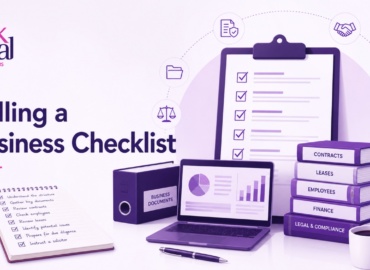
Preparing to sell a business involves much more than finding a buyer. This practical checklist explains the legal steps sellers should take before negotiations begin, from organising contracts and documents to preparing for due diligence and completion.
Selling a business involves much more than agreeing a purchase price. Learn what legal work is involved, what affects the overall cost of a transaction, and how careful preparation can help keep your sale on track.