

Asset Purchases & Asset Sales
Asset purchases and asset sales allow businesses to transfer selected assets rather than the company itself. The transaction must clearly identify what is included, what remains behind, which liabilities transfer, and what legal steps are required to ensure each part of the business moves successfully.
Get Started →
What is an asset purchase or asset sale?
In an asset transaction, the buyer acquires specified parts of a business rather than buying the shares in the company that owns it. The seller may be a company, partnership or sole trader, and the transaction can involve an entire operating business, one division or a selected collection of assets.
The parties decide which equipment, stock, contracts, intellectual property, goodwill, property interests, records and other rights are included. They must also identify liabilities the buyer will assume, liabilities the seller will retain and obligations that may pass because of applicable law or third-party arrangements.
This gives the parties flexibility, but the transfer is not achieved by describing the deal in broad terms. Each asset must be identified, owned by the seller and capable of transfer using the appropriate agreement, consent, notice, assignment, novation, delivery or registration.
What is transferring, what remains behind, and what must happen for each part of the business to move successfully?
Read about our wider services for buying a business and selling a business.
Why choose an asset transaction?
An asset purchase can be designed around the commercial objective rather than requiring the buyer to acquire the company that previously operated the business. This gives the parties greater control over the proposed transaction, but it also means that everything required for the business to operate must be identified and transferred correctly.
Selecting what the buyer acquires
The buyer can specify the equipment, stock, contracts, intellectual property, goodwill and other rights it needs. Assets and contractually allocated liabilities that are not wanted can generally be left with the seller, subject to applicable law and the rights of third parties.
Acquiring part of an existing operation
An asset structure may suit the purchase of a division, product line, customer book, trading location or selected group of assets. The timing and scope can be tailored around the parties' objectives, including any transitional arrangements required after completion.
The transaction documents must address ownership, consents, dependencies and the mechanism needed to move each important asset or relationship. Speak to our team before agreeing the structure.
How our Asset Purchase solicitors help
We connect the commercial scope of the deal with the legal work required to transfer each asset, allocate liabilities and place the buyer in a position to operate after completion.
Defining the transaction
We review the proposed business transfer, identify the assets and liabilities in scope and consider ownership, dependencies, exclusions, tax input and the practical requirements for continuity.
Drafting and negotiation
We prepare or review the Asset Purchase Agreement, schedules and supporting documents, then negotiate price, liability allocation, warranties, indemnities, conditions and completion obligations.
Transferring and completing
We coordinate consents, assignments, novations, employee matters, property documents, intellectual-property transfers, signing, funds, handover and the actions continuing after completion.
What can be transferred?
The Asset Purchase Agreement should identify every included category, but the agreement alone may not complete each transfer. Ownership, third-party rights and asset-specific formalities must also be addressed.
Equipment, machinery and stock
Physical assets can pass by contract and delivery once ownership, condition, finance arrangements and third-party security have been checked. Hired or leased equipment may require consent or replacement arrangements. For stock, the parties should also define valuation, condition, risk and when title passes, including the treatment of consignment stock and retention-of-title claims.
Goodwill and intellectual property
Goodwill may be supported through use of the trading name, customer introductions and proportionate restrictive covenants. Trade marks, copyright, domains, software and other intellectual property may require written assignments, licences or registry updates. Rights owned by a founder, contractor or third party cannot be transferred without the relevant authority.
Contracts and commercial premises
Customer and supplier agreements may need assignment, novation, notice or consent. If a key counterparty will not cooperate, the buyer may not receive the revenue or supply assumed in the valuation. Freehold and leasehold interests require separate property work, and a lease commonly needs landlord consent through a Commercial Lease Assignment.
Records, customer data and employees
Business records can be delivered or licensed, but personal data must be handled lawfully and securely. Where TUPE applies, assigned employees and relevant employment rights and liabilities may transfer by law. Consultation, employee information and contractual allocation should be planned through specialist TUPE and Employee Transfers advice.
What does not transfer automatically?
Signing an Asset Purchase Agreement does not automatically transfer every contract, lease, licence, permit or commercial relationship needed to operate the business. The agreement creates obligations between buyer and seller, but the legal transfer of a particular right may depend on separate formalities or another party's cooperation.
Contracts
Contractual benefits may be assignable, but obligations generally require the counterparty's agreement through novation. The contract itself may prohibit assignment, require prior written consent or allow termination. An interim arrangement can sometimes support continuity, but it must be workable and should not breach the underlying contract.
Leases, licences and permits
A landlord may need to consent to assignment of a lease. Regulatory licences and permits may be personal to the holder, may require notification or may not be transferable at all. The buyer might need a new application and should understand whether it can operate during any approval period.
Employees
Employees are not transferred simply because they appear on an asset schedule. Where the legal conditions for TUPE are met, employment may transfer by operation of law with associated rights and obligations. The parties must identify affected employees and comply with applicable information and consultation duties.
Rights controlled by third parties
Franchises, accreditations, software licences, finance arrangements, memberships and platform accounts may depend on approval or may be unavailable to the buyer. These dependencies should be investigated early enough to change the timetable, price or scope if necessary.
Has the asset been included in the deal, and can it legally and practically move to the buyer on the required terms?
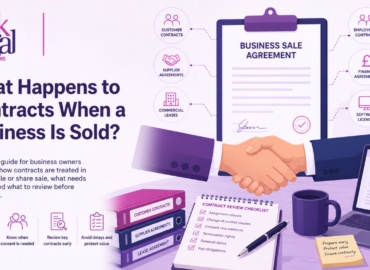
Read our guide to what happens to contracts when a business is sold.
Allocating liabilities in an asset transaction
An asset purchase gives the parties scope to define liabilities the buyer assumes and those retained by the seller. That allocation must be based on accurate Legal Due Diligence and expressed clearly in the transaction documents.
Assumed liabilities
The buyer may agree responsibility for specified commitments connected with the transferred business, such as obligations arising after completion under novated contracts, customer deposits, accrued employee entitlements or identified operating liabilities. Each category should be defined precisely and reflected in the price and completion arrangements.
Excluded and historic liabilities
The seller may retain debt, tax, historic claims, liabilities under excluded contracts and obligations arising from operation before completion. The buyer should consider whether the seller will remain able to meet those obligations and whether any liability could nevertheless affect the transferred business or assets.
Contractual allocation and third-party rights
The Asset Purchase Agreement can allocate responsibility between buyer and seller, but it cannot necessarily prevent liabilities passing under applicable law or alter the rights of employees, regulators, landlords, customers or other third parties. A contractual promise to reimburse loss may be needed where external liability cannot be excluded.
Warranties, indemnities and disclosure
Warranties support the buyer's understanding of the assets and business. Disclosure identifies exceptions, while specific indemnities may address defined exposures. Financial caps, time limits and claim procedures then determine the seller's continuing exposure. Read more about Warranties & Indemnities.
The agreement can decide responsibility between the parties, but due diligence, legal transfer requirements and applicable law must work with that drafting to prevent unintended exposure.
Related guides and services
Explore the wider transaction, specialist transfer work and practical guidance relevant to an asset purchase or asset sale.
Practical transfer issues
Completion depends on more than signing the principal agreement. The supporting workstreams determine whether ownership and operational control move together and whether the buyer can continue trading.
Third-party consents and contract transfers
Customers, suppliers, lenders and other counterparties may need to approve the transaction. Each agreement should be checked to establish whether assignment, novation or notice is required. Without the correct mechanism, a critical relationship may remain with the seller, become terminable or leave the seller responsible for continuing obligations.
Premises, licences and regulatory approvals
A lease assignment may involve landlord consent, guarantees, deposits and registration. Licences and permissions must also be checked for transferability, notification requirements and new-application timescales. Delay in either area can prevent the buyer from occupying the premises or trading lawfully after completion.
Employees and intellectual property
TUPE may require employee information, consultation and early planning of proposed workforce measures. Intellectual-property transfers may need assignments, licences, moral-rights provisions, domain transfers and registry updates. These matters are central where the workforce, brand, software or content carries much of the business's value.
Completion and continuing actions
Asset transfers, schedules, stock records, keys, credentials, notices, funds and handover arrangements should be coordinated for completion. Registrations, collections, outstanding consents and transitional support may continue afterwards. Our Completion and Post-Completion Support service helps manage those mechanics and continuing obligations.
Asset Purchase & Asset Sale FAQs
These answers provide a general overview. The correct structure and transfer process depend on the business, assets, liabilities and applicable legal requirements.
What is an asset purchase?
An asset purchase is a transaction in which a buyer acquires specified business assets and may assume defined liabilities, rather than buying the shares in the company that owns the business. The agreement and supporting documents must identify and transfer each included category.
What is the difference between an asset sale and a share sale?
In an asset sale, selected assets and agreed liabilities transfer from the seller. In a share sale, the buyer acquires the company and its assets, contracts and liabilities generally remain within it. Each route has different consent, liability, tax and completion implications.
What assets can be transferred?
Assets may include equipment, stock, goodwill, intellectual property, contracts, property interests, records and data. The transaction can also involve employees and operational liabilities. Whether an item can transfer and the required method depend on ownership, contract terms and applicable law.
Do liabilities transfer automatically?
Not all liabilities transfer automatically, but some obligations may pass under applicable law or because of the legal arrangements involved. The Asset Purchase Agreement should define assumed and excluded liabilities, although contractual allocation does not necessarily affect third-party rights.
Do contracts transfer automatically?
Usually not simply by signing the Asset Purchase Agreement. Assignment, novation, notice or counterparty consent may be required. The contract may prohibit transfer or give the counterparty termination rights, so important agreements should be reviewed early.
Do employees transfer under TUPE?
Employees may transfer where the legal conditions for TUPE are met. Their employment and associated rights and liabilities can pass to the buyer by operation of law. The parties should obtain advice on scope, employee information, consultation and contractual allocation.
Does assigning a commercial lease require landlord consent?
Many leases require the landlord's prior consent and impose conditions on assignment. A licence to assign, rent deposit, guarantee or other documents may be needed. The lease and title should be reviewed before the parties rely on the premises transferring.
Why are asset transactions often document-heavy?
Different assets move in different ways. Contracts, property, intellectual property, stock, equipment, records and employees may each require separate documentation, consent, delivery or registration. These workstreams must be coordinated with payment and operational handover.
What documents are required?
Documents may include the Asset Purchase Agreement, disclosure letter, contract assignments or novations, property transfers or lease documents, intellectual-property assignments, board approvals, stock and asset schedules, employee documents, notices and completion records. The precise set depends on the transaction.
When should I seek legal advice?
Advice should be obtained before Heads of Terms and structure are finalised where possible. Early review helps identify assets that cannot transfer freely, liabilities capable of passing, consents affecting the timetable and protections that should be reflected in the price and agreement.
Clear advice on Asset Purchases & Asset Sales
Asset transactions require careful planning to ensure the right assets transfer, liabilities are properly managed and the transaction reflects the parties' commercial objectives. Early legal advice helps avoid unexpected complications before, during and after completion.
Transaction scope
We identify what should transfer, what remains behind and the dependencies requiring early action.
Clear documentation
We draft and negotiate the agreement, schedules and asset-specific transfer documents.
Practical coordination
We manage consents, assignments, property, employees, intellectual property and completion steps.
Continuing support
We assist with registrations, notices, transitional arrangements and obligations continuing after completion.
Speak to a solicitor before finalising the structure or committing to the proposed asset transaction.
Latest News & Useful Information
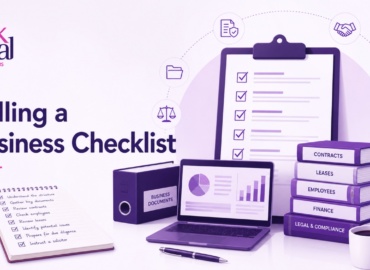
Preparing to sell a business involves much more than finding a buyer. This practical checklist explains the legal steps sellers should take before negotiations begin, from organising contracts and documents to preparing for due diligence and completion.
Selling a business involves much more than agreeing a purchase price. Learn what legal work is involved, what affects the overall cost of a transaction, and how careful preparation can help keep your sale on track.