

Warranties & Indemnities
Warranties and indemnities are among the most heavily negotiated provisions in a Business Sale Agreement. They determine how risk is allocated between buyer and seller, what protection exists if problems arise after completion, and how future liability is managed. We advise on drafting, negotiating and reviewing these provisions to ensure they accurately reflect the agreed commercial position and protect your interests throughout the transaction.
Get Started →
What are warranties and indemnities?
Warranties and indemnities are contractual protections commonly included in a Business Sale Agreement. Although they operate differently, both help the parties decide who should bear the financial consequences if information is inaccurate or a liability emerges after completion.
Warranties
A warranty is a contractual statement about the business, company, assets or transaction. Warranties may address accounts, contracts, employees, property, intellectual property, disputes, compliance, tax and other matters affecting value. They encourage the seller to verify the information being given and may provide the buyer with a contractual remedy if a warranty is inaccurate and the requirements for a claim are satisfied. Their scope will also reflect whether the transaction is a share sale or an asset purchase or asset sale.
Indemnities
An indemnity is a contractual promise dealing with a defined risk or liability. It is often requested when due diligence identifies a specific concern, such as an existing dispute, tax exposure or known contractual issue. Its effect depends on the exact drafting, including the trigger, recoverable loss, exclusions, duration and any liability limitations that apply.
These provisions are not included simply to describe the business. They decide how identified and unidentified risks are shared after control and ownership have passed.
If you are considering the wider transaction, explore our Business Transfer services and our guidance on selling a business or buying a business.
Why risk allocation matters
A buyer normally acquires the business on the basis of information supplied before completion. A seller, meanwhile, needs to know when the sale proceeds can be treated as secure. Warranties, indemnities, disclosure and liability limits establish the contractual balance between those positions.
- Protecting the buyer
Contractual assurances and specific protections can provide a route to recovery if the acquired business is materially different from what was agreed. - Protecting the seller
Disclosure, precise drafting and negotiated limits prevent the buyer's protection from becoming broader or longer-lasting than the commercial deal justifies. - Defining responsibility
The agreement identifies which party bears a loss connected with the period before completion, the buyer's operation afterwards or a particular known risk. - Reducing uncertainty
Clear triggers, exclusions, financial limits and procedures make the consequences of a problem more predictable. - Avoiding future disputes
Careful negotiation cannot prevent every claim, but it can reduce disagreements about what was promised and how a claim must be handled.
How our solicitors help
We assess the risk allocation as a complete commercial package. Our advice connects due diligence, drafting, disclosure and liability limits rather than treating each provision in isolation.
Reviewing the transaction and identifying risk
We review the sale structure, Heads of Terms, business records and due-diligence findings to identify the assurances required, known issues requiring specific treatment and matters that should be excluded or clarified.
Drafting and negotiating the protections
We prepare or review warranties, indemnities, tax provisions and liability limitations, ensuring the language reflects the business and the agreed allocation of responsibility.
Disclosure, claims and post-completion protection
We help sellers prepare effective disclosure, advise buyers on its effect and assist either party with potential claims, notices and continuing obligations after completion.
Disclosure and seller protection
Disclosure is the process by which the seller identifies exceptions to the warranties before completion. It is normally recorded in a disclosure letter supported by documents. Effective disclosure helps define what the buyer is acquiring and can protect the seller against a later allegation that the disclosed matter breached a warranty.
Qualifying warranties
A warranty may be accurate only when read subject to a particular fact. The disclosure letter connects that fact to the relevant warranty and should provide enough detail for the buyer to understand the nature and scope of the exception. Simply uploading documents to a data room may not satisfy the contractual disclosure standard.
Accuracy and organisation
The seller should review the warranties with the people who know the business, check supporting records and resolve inconsistent information. General disclosures and data-room material must be considered alongside specific disclosures. The buyer should assess whether a disclosure reveals a manageable exception, requires further investigation or changes the price or contractual protection required.
Managing expectations and future disputes
Good disclosure gives both parties a more accurate picture before completion. It can prevent disputes based on information that was properly revealed, while also giving the buyer an opportunity to investigate and decide how the issue should be addressed commercially.
Some disclosures require additional transaction work rather than wording alone. Employee issues may need to be addressed through TUPE & Employee Transfers, while premises-related matters may require consent and documentation for a Commercial Lease Assignment.
Disclosure should be prepared as a substantive risk-management exercise, not treated as an administrative schedule completed at the end of the transaction.
Our selling a business service covers preparation, buyer enquiries, disclosure and negotiation throughout the transaction. A dedicated Disclosure Letter guide can be linked here when published.
Negotiating liability limits
The warranties and indemnities establish protection; the limitation provisions establish its boundaries. Negotiation should produce a commercially acceptable allocation of risk rather than leaving the seller with unlimited, indefinite or procedurally uncertain exposure.
Financial caps and thresholds
An overall cap can limit the seller's aggregate liability, while different caps may apply to general warranties, tax, specific indemnities or fundamental matters. Individual-claim thresholds may exclude minor claims, and an aggregate threshold can determine when qualifying claims become recoverable. The drafting must make clear whether recovery applies to the full qualifying amount or only the excess.
Time limits
The agreement may set different notification periods for general warranties, tax matters and specific risks. It should also address whether proceedings must begin within a further period. The appropriate duration depends on the subject matter and the time within which a problem is reasonably likely to emerge.
Claim procedures and exclusions
Notice clauses may require particular information and delivery methods. Other provisions can address mitigation, contingent liabilities, recovery from insurers or third parties, changes in law, matters already disclosed, buyer conduct, double recovery and control of third-party claims.
Negotiating the package
No limit should be assessed alone. A financial cap may exclude important categories; an apparently generous time period may be narrowed by strict notice requirements. Buyers need remedies that remain usable, while sellers need exposure that can be measured and managed after completion.
The agreement should state which limitations apply to which claims. Assuming that a general limitation automatically covers every indemnity or obligation can create substantial unintended exposure.
Claims after completion
A problem discovered after completion does not automatically establish a successful warranty or indemnity claim. The agreement, facts, evidence, loss and applicable procedures must be reviewed promptly. Delay can affect contractual deadlines, evidence and the parties' ability to control an underlying third-party issue.
Identifying the contractual basis
The buyer must identify which warranty, indemnity, covenant or other provision may apply. A warranty claim generally requires analysis of the statement made, the position at the relevant time, breach, causation and recoverable loss. An indemnity claim requires the event and loss to fall within the particular wording. Potential overlap with price-adjustment mechanisms, disclosure or other remedies must also be considered.
Notice requirements
The agreement may specify a deadline, method of service and information required in a claim notice. Some claims may also require proceedings to be issued within a further period. Parties should not assume that informal correspondence preserves their position.
Evidence and loss
Relevant contracts, accounts, due-diligence materials, disclosure documents, correspondence and evidence of loss should be preserved. The buyer should consider mitigation and any insurance or third-party recovery. The seller should assess the contractual defences, limitations and any right to participate in the handling of an underlying claim.
Managing the dispute
Early legal advice can clarify the merits, procedural requirements and commercial options. Some matters can be resolved through information exchange or negotiation; others may require expert evidence, mediation, arbitration or court proceedings, depending on the contract and circumstances.
If a potential claim is identified, obtain advice before sending a formal notice, admitting liability, settling with a third party or taking action that could affect contractual rights.
We can assist with continuing obligations and potential claims through our Completion & Post-Completion Support service.
Related guides and services
Explore the wider transaction, the agreement containing these protections and the investigative work that shapes risk allocation.
Business Sale Agreements
How the principal transaction document records the deal and manages legal and commercial risk.
View service →Selling a Business
Our complete seller service, from preparation and due diligence through negotiation and completion.
View service →Legal Due Diligence
Investigating the business, identifying risk and informing the contractual protection required.
View service →Legal Costs of Selling a Business
The factors that affect the scope, complexity and cost of the legal work.
Read guide →Selling a Business Checklist
Practical steps for preparing information, managing buyer scrutiny and progressing the sale.
Read guide →What Happens to Contracts When a Business Is Sold?
Assignment, novation, consent and change-of-control issues in asset and share sales.
Read guide →Warranties & Indemnities FAQs
These answers provide a general overview. The effect of any provision depends on the wording of the agreement and the circumstances of the transaction.
What is a warranty?
A warranty is a contractual statement about the company, business, assets or another aspect of the transaction. It helps the buyer assess what is being acquired and may support a contractual remedy if the statement is inaccurate and the requirements for a claim are satisfied.
What is an indemnity?
An indemnity is a contractual promise dealing with a defined risk, cost or liability. It is often used for an issue already identified during due diligence. Its scope and effect depend on the trigger, loss, exclusions, limitations and other negotiated wording.
What is the difference between a warranty and an indemnity?
A warranty is generally an assurance about the state of the business or assets, whereas an indemnity usually allocates a specified risk. Claims may involve different contractual wording and legal analysis. The label given to a clause is not a substitute for reviewing how it actually operates.
Can a seller's liability be limited?
Liability can often be negotiated through caps, thresholds, time limits, exclusions and claim procedures. Different limits may apply to different categories of claim, and some obligations may be expressly excluded. The complete limitation package must therefore be reviewed.
What is a disclosure letter?
A disclosure letter records information that qualifies the warranties. It commonly includes general and specific disclosures supported by documents. Effective disclosure helps the buyer understand exceptions before completion and can protect the seller against a later warranty claim concerning a properly disclosed matter.
How long can a buyer bring a claim?
The Business Sale Agreement commonly sets contractual notification periods, which may differ for general warranties, tax and specific risks. It may also require proceedings within a further period. The applicable contract and any relevant legal limitation rules should be checked promptly.
Can warranties and indemnities be negotiated?
Yes. The scope, qualifications, disclosure standard, covered risks, financial limits, duration, exclusions and procedures are commonly negotiated. The appropriate position depends on the business, due-diligence findings, price and bargaining position of the parties.
What happens if a warranty is breached?
The buyer should review the warranty, disclosure letter, loss and applicable limitations and comply with the claim procedure. An inaccurate warranty does not automatically establish the amount recoverable. Evidence, causation, contractual exclusions and the legal measure of loss may all need consideration.
When should warranties and indemnities be agreed?
Their negotiation normally develops alongside due diligence and drafting of the Business Sale Agreement. Advice should be taken before Heads of Terms are finalised where a known risk, unusual liability allocation or proposed cap is commercially important.
Clear advice on Warranties & Indemnities
The allocation of risk can have significant financial consequences long after a business sale has completed. Early legal advice helps ensure warranties, indemnities, disclosure and liability provisions reflect the agreed commercial position and provide appropriate protection for your circumstances.
Transaction review
We assess the sale structure, due-diligence findings and the risks requiring contractual treatment.
Clear priorities
We explain the practical effect of the proposed protection and where the material exposure lies.
Focused negotiation
We draft and negotiate proportionate warranties, indemnities, disclosures and liability limits.
Post-completion advice
We assist with notices, potential claims, continuing obligations and commercial resolution.
Speak to a solicitor before agreeing the final allocation of risk or responding to a potential claim.
Latest News & Useful Information
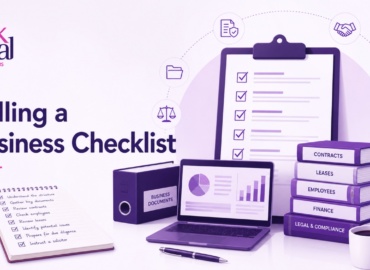
Preparing to sell a business involves much more than finding a buyer. This practical checklist explains the legal steps sellers should take before negotiations begin, from organising contracts and documents to preparing for due diligence and completion.


Selling a business involves much more than agreeing a purchase price. Learn what legal work is involved, what affects the overall cost of a transaction, and how careful preparation can help keep your sale on track.