

Commercial Lease Assignments
A commercial lease assignment transfers an existing lease from one tenant to another, usually as part of a business sale or restructuring. The process often requires landlord consent, compliance with the lease and careful management of ongoing obligations to ensure the premises transfer successfully without delaying the wider transaction.
Get Started →
What is a commercial lease assignment?
A commercial lease assignment is the legal transfer of an existing tenant's interest in leased business premises to a new tenant. The incoming tenant takes over occupation and the tenant covenants for the remaining lease term, subject to the lease, assignment documents and applicable law.
Assignments commonly form part of an asset sale, business purchase, group reorganisation or disposal of part of an operation. If the premises are essential to trading, the buyer may not receive a viable operating business unless the lease transfers on acceptable terms.
The lease usually controls whether assignment is permitted and whether the landlord must consent. The landlord may investigate the proposed assignee, require information and impose conditions allowed by the lease and law. Those workstreams should begin early enough to align with the wider completion timetable.
Can the premises move to the buyer, and can that happen in time for the business transaction to complete?
See our wider services for buying a business and selling a business.
When is a lease assignment required?
Assignment may be required whenever occupation is intended to move from the existing tenant to a different legal person while the current lease continues.
Buying or selling an operating business
A seller disposing of business assets may need to transfer the premises from which the business operates. The buyer may depend on that location, its fit-out, licences and customer access. Lease restrictions and landlord requirements can therefore affect valuation, funding and the proposed completion date.
Restructuring a business or corporate group
Activities sometimes move between group companies or other legal entities even though commercial control remains broadly unchanged. The lease may still restrict assignment and require a formal application for consent.
Transferring one site or part of an operation
A division, location or part of a business may be sold separately. The parties then need to establish whether the whole lease can transfer or whether a sublease, surrender and regrant, sharing arrangement or new lease is required.
How our Commercial Lease Assignment solicitors help
We identify the lease requirements, manage the consent process and coordinate the property documents with the wider business transaction.
Reviewing the lease
We examine assignment restrictions, conditions, breaches, security, title requirements and the property issues capable of affecting consent or completion.
Managing consent and negotiation
We prepare the application, respond to landlord enquiries and negotiate the licence to assign, guarantee, rent deposit and other required documents.
Completing with the wider transaction
We coordinate execution, completion funds, notices, keys, registration and ongoing obligations with the Asset Purchase Agreement and business handover.
Can the lease be assigned?
The first step is to review the alienation provisions and the wider property position. The answer may range from an absolute prohibition to a permitted assignment subject to stated conditions.
-
Is assignment prohibited or restricted?
An absolute restriction may require negotiation of a surrender, new lease or variation. More commonly, assignment is permitted with landlord consent, subject to the lease and applicable law.
-
What conditions does the lease impose?
Requirements may concern the assignee's financial strength, an authorised guarantee agreement, a guarantor, rent deposit, landlord costs or other permitted protections.
-
Are there existing breaches or arrears?
Outstanding rent, unauthorised alterations, disrepair or other breaches can delay the application and may need to be remedied before consent is granted.
-
Do the premises create additional restrictions?
Assignment of part is frequently prohibited. Estate regulations, superior-landlord or lender consent, permitted use, planning, title restrictions and registration requirements may also affect the route to completion.
Our Legal Due Diligence review can identify lease restrictions before the wider transaction becomes unconditional.
Landlord consent and the licence to assign
Where consent is required, the application should give the landlord enough information to assess the incoming tenant and the proposed occupation. A formal licence commonly records the consent and its conditions.
Preparing a complete application
The landlord may request corporate details, accounts, forecasts, references, a business plan and information about the proposed use. Financial information helps demonstrate whether the assignee can meet rent, service charge, repair and other lease obligations. An incomplete application can prevent meaningful consideration and delay the wider transaction.
Negotiating security and costs
Depending on the lease and the assignee's covenant strength, the landlord may seek a guarantor, rent deposit or other security. The tenant may also be required to pay the landlord's reasonable legal and surveyor costs. Scope, undertakings and payments should be agreed early.
Documenting consent
The licence to assign records the landlord's consent and the obligations of the outgoing and incoming tenants. Guarantors or superior parties may also need to join. The licence, deed of assignment and wider business sale documentation must operate on a coordinated timetable.
Conditions attached to landlord consent
Consent may depend on contractual, property and financial conditions. Each should be tested against the lease, applicable law and the terms agreed between buyer and seller.
Outgoing-tenant protection
The landlord may require an authorised guarantee agreement under which the seller guarantees the immediate assignee. Its scope and continuing commercial effect should be understood before acceptance.
Financial strength and security
Evidence of covenant strength, a new guarantor, rent deposit or other security may be requested. Responsibility for funding and negotiating that security should be settled between buyer and seller.
Compliance and completion
Arrears, alterations, disrepair and missing compliance documents may need resolution. The licence, assignment, guarantees, deposit and business sale should then be coordinated so no element is left incomplete.
Continuing liability after assignment
Assignment does not always produce a complete release. The lease date, covenant regime, landlord conditions and security documents determine what may remain with the outgoing tenant or guarantor.
Guarantees and authorised guarantee agreements
Existing security may continue, be released or require replacement. An authorised guarantee agreement can make the outgoing tenant responsible if the immediate assignee breaches relevant lease covenants. Its scope and duration should be understood before landlord consent is accepted.
Rent deposits and historic obligations
The outgoing deposit may be repaid, retained or dealt with through the transaction, while the assignee may need to provide a new deposit. Arrears, service charges, dilapidations, insurance and breaches arising before assignment can also remain relevant.
Protecting the seller's position
Continuing exposure can affect whether the seller achieves the clean exit assumed in the business terms. Responsibility should be addressed expressly, with appropriate caps, covenants or indemnities where they can be negotiated.
Managing the assignment process
Early coordination helps keep the premises on the same timetable as the business sale. Several stages may overlap, but each requires a clear owner and dependency plan.
Review the lease
Check assignment rights, conditions, security, breaches, notices, superior interests and property-specific requirements.
Identify restrictions
Confirm whether consent is possible, what information and security will be required and whether an alternative structure is needed.
Prepare the application
Provide a complete written request with corporate, financial, business and use information supporting the proposed assignee.
Negotiate landlord requirements
Address enquiries, costs, breaches, AGA terms, guarantors, deposits and other conditions while monitoring the transaction timetable.
Agree the documents
Settle the licence to assign, deed of assignment, guarantees, deposits, notices and any variations or ancillary documents.
Coordinate completion
Align the property documents with the Business Sale Agreement, funds, handover, keys and transfer of the operating business.
Complete follow-up requirements
Serve notices, pay required sums, update records and complete registration and other post-completion actions.
The business agreement should address what happens if consent is delayed, refused or granted on terms one party considers unacceptable.
Related guides and services
Explore the wider business transfer, property investigation, transaction documentation and supporting lease guidance.
Common lease assignment issues
Property problems often become transaction problems. Early advice allows the parties to identify alternatives and allocate responsibility before the proposed completion date is at risk.
Assignment is prohibited, refused or delayed
The lease may not permit the proposed transfer, the landlord may dispute whether consent should be given, or an incomplete application may slow progress. The parties may need a new lease, a revised structure, a long-stop date or an alternative occupation plan.
Consent is offered on onerous terms
An authorised guarantee agreement, guarantor or substantial rent deposit may change the economics of the transaction. The condition should be tested against the lease and legal position, then reflected in price, security and risk allocation where necessary.
The existing lease position is not clean
Arrears, disrepair, alterations or use issues may emerge during review. Remedial work, landlord agreement, completion adjustments or tailored Warranties and Indemnities may be needed within the wider deal.
Property and business completion fall out of step
Delayed property documents can leave funds, stock, employees, keys and occupation misaligned. The business agreement should state what happens if consent is delayed, refused or granted on terms that one party regards as unacceptable.
Commercial Lease Assignment FAQs
These answers provide a general overview. The lease, property title, transaction and applicable law must be reviewed for specific advice.
What is a commercial lease assignment?
It is the transfer of an existing tenant's leasehold interest to a new tenant. The incoming tenant takes over the tenant obligations for the remaining term, subject to the lease, assignment documents and applicable law.
When is landlord consent required?
Consent is required where the lease restricts assignment without the landlord's approval. The lease should be checked for absolute restrictions, qualified restrictions, conditions and any consent required from a superior landlord, lender or other party.
What is a licence to assign?
A licence to assign is a formal document recording the landlord's consent and the conditions applying to the transfer. It commonly involves the landlord, outgoing tenant and incoming tenant, and may also include guarantors or other parties.
Can a landlord refuse consent?
The answer depends on the lease and applicable law. Some leases prohibit assignment; others require consent that may be subject to duties concerning reasonableness and timing. The landlord should receive a complete written application and the refusal reasons should be reviewed promptly.
What conditions can a landlord impose?
Conditions may include an AGA, guarantor, rent deposit, clearing arrears or breaches, financial information, payment of costs and compliance with lease requirements. Whether a condition is permitted or reasonable depends on the lease, law and circumstances.
What is an authorised guarantee agreement?
An AGA is an agreement under which the outgoing tenant guarantees the immediate assignee's performance of relevant lease covenants. It can create liability after assignment and should be reviewed before the seller accepts the consent terms.
Can I remain liable after assigning my lease?
Yes, depending on the lease date, legal regime, historic obligations and assignment conditions. Liability may continue through an AGA, guarantee, arrears, breaches or other commitments. The precise exposure should be identified before completion.
How long does assignment usually take?
The timetable depends on the lease, quality of the application, landlord and adviser response times, financial assessment, breaches, security requirements and number of parties. The process should begin early and be monitored against the business transaction timetable.
Can a business sale complete before consent is obtained?
Completing without required consent can breach the lease and leave the buyer without secure occupation. Alternatives or conditional arrangements may sometimes be considered, but they require careful advice and cooperation from the relevant parties.
When should I seek legal advice?
Advice should be obtained before Heads of Terms and completion dates become fixed where possible. Early review can identify prohibitions, consent conditions, breaches, continuing liability and documentation capable of changing the transaction.
Clear advice on Commercial Lease Assignments
Commercial lease assignments are often critical to the success of a business transaction. Early legal advice helps identify assignment restrictions, manage landlord consent, negotiate appropriate terms and ensure the premises transfer without creating unnecessary delay or continuing liability.
Lease review
We identify assignment rights, restrictions, conditions, breaches and property requirements.
Consent management
We prepare the application and negotiate landlord information, security and documentation.
Coordinated completion
We align the licence and assignment with the business sale, funds and operational handover.
Continuing protection
We explain AGAs, historic exposure, notices, registration and post-completion obligations.
Speak to a solicitor before committing to a completion timetable that depends on the premises transferring.
Latest News & Useful Information
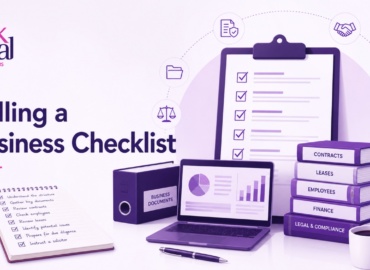
Preparing to sell a business involves much more than finding a buyer. This practical checklist explains the legal steps sellers should take before negotiations begin, from organising contracts and documents to preparing for due diligence and completion.


Selling a business involves much more than agreeing a purchase price. Learn what legal work is involved, what affects the overall cost of a transaction, and how careful preparation can help keep your sale on track.