

Buying a business
We advise buyers on acquiring businesses with a clear focus on identifying risk, protecting value, and structuring transactions on commercially sound terms. From initial discussions and heads of terms through to completion, we help you understand what you are acquiring, assess exposure, and ensure the deal is documented in a way that safeguards your position.
Get Started →
What does buying a business involve?
Buying a business involves more than agreeing a price with the seller. Before committing to the purchase, you need to understand exactly what you are acquiring, what liabilities may transfer, and whether the business can continue operating as expected after completion.
One of the first decisions is whether you will acquire selected business assets or purchase the shares in the company that owns and operates the business. That decision affects the legal process, the risks you may inherit, the investigations required, and the protections that should be negotiated.
The transaction may also involve contracts, employees, commercial premises, intellectual property, licences, debts, disputes and regulatory obligations. These matters need to be investigated before completion so that any problems can be reflected in the price, transaction structure or purchase agreement.
Who we help
We advise individuals, companies and investors acquiring established businesses across a range of sectors, including:
- First-time business buyers who need clear guidance through the acquisition process.
- Entrepreneurs and investors acquiring an established business as a new venture or commercial investment.
- Companies expanding through acquisition, including businesses purchasing competitors, suppliers or complementary operations.
- Management buyout teams acquiring the business they currently manage or operate.
- Family and owner-managed businesses completing acquisitions as part of growth, succession or restructuring plans.
Decisions made during the initial negotiations and Heads of Terms can shape the rest of the acquisition. Taking advice early helps ensure that the proposed structure protects your position before you commit significant time or money.
How we guide you through buying a business
A business acquisition follows a structured legal process. We guide you through each stage, explain the decisions you need to make and ensure that risks are identified before you complete the purchase.
Initial terms and deal structure
We review the proposed terms, advise on whether an asset or share purchase is appropriate and identify the main legal and commercial issues.
Due diligence and negotiation
We investigate the business, raise enquiries and negotiate the purchase agreement and protections required to address the findings.
Completion and implementation
We coordinate signing, funds and the transfer of ownership, then deal with the legal requirements that follow completion.
What does a solicitor do when you buy a business?
A business acquisition solicitor helps you understand what you are buying, investigates the legal position and negotiates the documents and protections required to complete the transaction safely.
- Reviewing and negotiating Heads of Terms
- Advising on an asset purchase or share purchase
- Conducting legal due diligence and raising enquiries
- Reviewing contracts, employees, premises and intellectual property
- Negotiating the purchase agreement, warranties and indemnities
- Managing completion and post-completion requirements
Our objective is not simply to complete the purchase. It is to ensure that you understand the legal position, make informed decisions and receive protections appropriate to the risks identified. Read more about Business Sale Agreements and warranties and indemnities.
Asset purchase or share purchase?
One of the most important decisions is whether you will acquire selected assets from the seller or purchase the shares in the company that owns the business.
Asset purchase
You acquire agreed parts of the business, such as stock, equipment, goodwill, contracts and intellectual property. The agreement identifies the assets and liabilities intended to transfer.
Share purchase
You acquire the company itself. Its assets and contracts remain in place, but its legal history and existing liabilities remain within the company.
The structure affects risk, liabilities, tax, documentation and the consents or transfer arrangements required. Legal and tax advice should be taken before it is agreed.
Read more about asset purchases and asset sales.
Legal due diligence when buying a business
Legal due diligence investigates the business before you become legally committed. It tests the information provided by the seller, confirms what the business owns and identifies liabilities or restrictions that could affect its value or operation.
The investigation commonly covers:
- Company records and ownership
- Customer and supplier contracts
- Employees and employment liabilities
- Commercial property and leases
- Intellectual property and digital assets
- Disputes and threatened claims
- Licences and regulatory compliance
- Data protection arrangements
- Borrowing, security and other liabilities
- Relevant financial information
Findings may affect the price, structure, completion conditions, warranties or indemnities. A serious issue may cause the buyer to reconsider the acquisition.
Learn more about our legal due diligence service.
Whatever your situation, our solicitors can provide clear, confidential guidance tailored to you.
Whatever your situation, our solicitors can provide clear, confidential guidance tailored to you.
Major legal considerations
A successful acquisition depends on more than the purchase agreement alone. The transaction must also deal with the arrangements the business needs to continue operating after completion.
Transaction documents and contractual protection
The purchase agreement records what is being acquired, the price, completion arrangements and how risk is allocated. Warranties and indemnities may provide protection if information is inaccurate or a known liability arises. Read more about Business Sale Agreements and warranties and indemnities.
Employees and TUPE
Employees may transfer with their existing terms and continuity of service preserved. Contracts, accrued rights, consultation obligations and employment liabilities should be considered before completion. Learn more about TUPE and employee transfers.
Commercial premises
The buyer may require landlord consent, an assignment of the existing lease or a new lease. Rent, service charges, repair obligations and permitted use should also be reviewed. Read about commercial lease assignments.
Contracts, licences and intellectual property
Key contracts may require consent or contain termination or change-of-control provisions. Licences may not transfer automatically, while ownership of names, websites, software and other intellectual property should be confirmed.
Completion and post-completion
Signing and payment are only part of completion. The transaction may also require notices, registrations, ownership updates and transitional arrangements. Learn more about completion and post-completion support.
Buying a Business FAQs
Answers to common questions about the legal process, due diligence, liabilities and completing a business acquisition.
What is the difference between an asset purchase and a share purchase?
In an asset purchase, you acquire selected assets and agree which liabilities will transfer. In a share purchase, you acquire the company itself, including its legal history and liabilities. The structure affects the investigations, documents and protections required.
When should I instruct a solicitor?
You should ideally instruct a solicitor before Heads of Terms are finalised, a deposit is paid or you become committed to the proposed structure. Early advice allows issues to be addressed while the principal terms can still be negotiated.
How long does it take to buy a business?
Many transactions take approximately 6 to 12 weeks, but the timescale depends on complexity, due diligence, funding, third-party consents and how quickly the parties negotiate the documents.
What does legal due diligence involve?
It involves reviewing matters such as contracts, employees, premises, intellectual property, licences, disputes and potential liabilities. The findings help determine whether the price, structure or contractual protection should change.
Do I inherit the seller's debts and liabilities?
It depends on the transaction structure. In a share purchase, liabilities normally remain within the company. In an asset purchase, the agreement identifies which liabilities transfer, although some obligations may transfer by law.
What happens to the employees?
In a share purchase, employees remain employed by the same company. In an asset purchase, TUPE may cause employees assigned to the business to transfer automatically with their existing rights preserved.
What happens if due diligence identifies a problem?
The buyer may request further information, require the issue to be resolved, renegotiate the price or structure, or seek additional contractual protection. A serious issue may lead the buyer to reconsider the acquisition.
What are warranties and indemnities?
Warranties are contractual statements made by the seller about the business. Indemnities provide compensation for specified liabilities or identified risks. Both can be important forms of buyer protection.
Clear, structured advice when buying a business
Buying a business involves legal, financial, and operational risk. Early advice helps you understand what you are acquiring, identify potential liabilities, and structure the deal properly so you can proceed with confidence.
Initial assessment
We review heads of terms, the proposed structure, and the key commercial points to identify early risks and issues.
Clear next steps
You are given a straightforward explanation of the process, including due diligence, documentation, and how the transaction will progress.
Practical transaction support
We handle due diligence, draft and negotiate the legal documents, and ensure risks are properly addressed before you commit.
Ongoing support
If you instruct us, you deal directly with a solicitor who manages timing, negotiation, and completion throughout the transaction.
There is no obligation. Making an enquiry allows you to understand the transaction early and avoid unnecessary risk.
Latest News & Useful Information
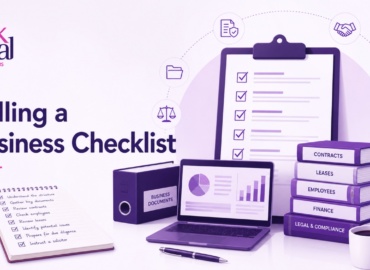
Preparing to sell a business involves much more than finding a buyer. This practical checklist explains the legal steps sellers should take before negotiations begin, from organising contracts and documents to preparing for due diligence and completion.
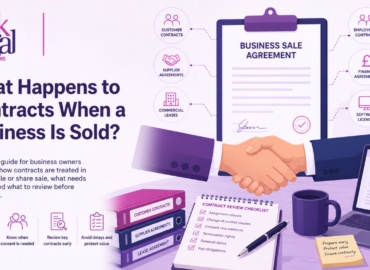
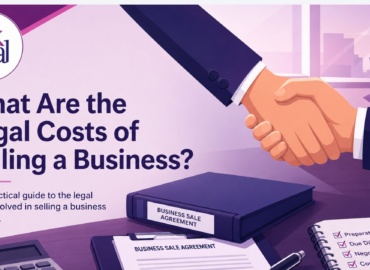
Selling a business involves much more than agreeing a purchase price. Learn what legal work is involved, what affects the overall cost of a transaction, and how careful preparation can help keep your sale on track.