
Defamation is the broader area of law concerning statements that cause, or are likely to cause, serious harm to somebody’s reputation. Libel and slander are traditionally two forms of defamation. Libel generally concerns statements published in a permanent form, including writing and many online publications, while slander generally concerns statements communicated in a transient form, particularly speech.
That distinction is a useful starting point, but it is not an absolute written-versus-spoken rule. A spoken allegation that is recorded or broadcast may be treated differently from an unrecorded conversation, and classification alone does not establish that a claim will succeed. Meaning, identification, publication, serious harm, evidence and any available defence all matter.
Key Points
- Defamation is the wider legal concept; libel and slander are traditionally forms of defamation.
- Libel usually involves a permanent or recorded publication. Slander usually involves a transient communication, especially speech.
- A negative, offensive or allegedly false statement is not automatically actionable.
- The statement must be communicated to at least one person other than the claimant, and the serious-harm threshold must be considered.
- Truth, honest opinion, public interest and privilege are among the defences that may apply.
- Defamation claims generally have a short limitation period, so delay can materially affect the available options.
What Is Defamation?
Defamation is the overarching legal concept. Broadly, it concerns a statement published about an identifiable person or organisation which conveys a defamatory meaning and causes, or is likely to cause, serious harm to reputation. The law attempts to balance protection of reputation with freedom of expression, which is why a court does more than ask whether the words were unpleasant or disputed.
The Defamation Act 2013 provides the statutory serious-harm threshold and important defences. Under section 1, a statement is not defamatory unless its publication has caused or is likely to cause serious harm to the claimant’s reputation. For a body trading for profit, serious harm means serious financial loss.
Publication has a particular meaning in this context. The statement generally needs to be communicated to at least one person other than the individual it concerns. The court may also need to determine what the words, image, gesture or other communication would have meant to an ordinary recipient in their full context.
An insult, criticism, mistaken allegation or statement that the claimant says is false does not automatically satisfy all those requirements. Our Defamation Claims page explains how a potential claim may be assessed when the legal threshold is in issue.
What Is Libel?
Libel traditionally concerns defamatory material published in a permanent or enduring form. The clearest examples are written statements, although the category is wider than words printed on paper.
Potential forms of libel can include:
- newspaper or magazine articles;
- letters and emails;
- webpages and blog posts;
- social-media posts and comments;
- online reviews;
- images, captions or photographs conveying a defamatory meaning; and
- recorded or broadcast material where the applicable rules treat it as publication in permanent form.
Libel is particularly relevant to online communication because written content can be copied, searched, forwarded and seen by a large audience. However, a negative review or critical post is not actionable merely because it is written down. The meaning, reach, context, serious harm and possible defences still need to be considered.
If the issue concerns written, recorded or online allegations, our Libel & Slander Disputes page explains the legal assistance available.
What Is Slander?
Slander generally concerns a defamatory statement communicated in a transient form, particularly speech. Examples may include an allegation made during a meeting, a verbal accusation made to customers, comments made to colleagues or a statement communicated during a conversation in front of other people.
Slander has historically been treated differently from libel in some respects. Depending on the allegation, the claimant may need to prove specific loss caused by the statement unless a recognised exception applies. The precise rules are technical and should not be reduced to the assumption that every harmful spoken allegation automatically creates a claim.
The form of the communication must also be examined carefully. A spontaneous remark in a private conversation may be slander, while spoken words that are recorded, broadcast or incorporated into permanent content may be treated as libel. The classification depends on the circumstances and applicable rules.
Where a spoken allegation has been communicated to others, our guide to making a slander claim in the UK explains publication, serious harm, evidence, slander-specific damage rules, defences and time limits in more detail. The Libel & Slander Disputes service provides a route to advice about a particular situation.
Libel vs Slander: What Is the Practical Difference?
| Issue | Libel | Slander |
|---|---|---|
| Traditional form | Permanent, recorded or enduring publication. | Transient communication, particularly unrecorded speech. |
| Typical example | A written online allegation accusing somebody of serious misconduct. | A spoken allegation made during a meeting in front of colleagues. |
| Relationship to defamation | Traditionally a form of defamation. | Traditionally a form of defamation. |
| Online relevance | Commonly relevant to posts, reviews, websites, emails and other recorded publications. | May be relevant to transient speech, although recordings and broadcasts require closer classification. |
| Publication | Must generally be communicated to at least one person other than the claimant. | The same third-party publication principle is relevant. |
| Serious harm | The statutory serious-harm threshold applies. | The statutory serious-harm threshold applies. |
| Typical evidence | Original publications, URLs, screenshots, documents, messages and evidence of reach. | Witness evidence, contemporaneous notes, relevant lawful recordings and evidence of consequences. |
| Important distinction | The permanence of the publication is central, but the wider defamation requirements still apply. | Additional rules can affect whether proof of specific loss is required. |
This comparison is a general educational summary. The classification and viability of a claim depend on the precise statement, form, audience, context, impact and available defences.
The difference between libel and slander can affect pleading, evidence and the type of loss that must be shown. It does not, by itself, determine whether the claimant will succeed. A statement still needs to satisfy the wider requirements of defamation law, and the defendant may have a complete defence.
Libel vs Defamation: What Is the Difference?
The simplest answer is that defamation is the broader legal concept, while libel is traditionally one particular form of defamation. They should not be presented as unrelated claims.
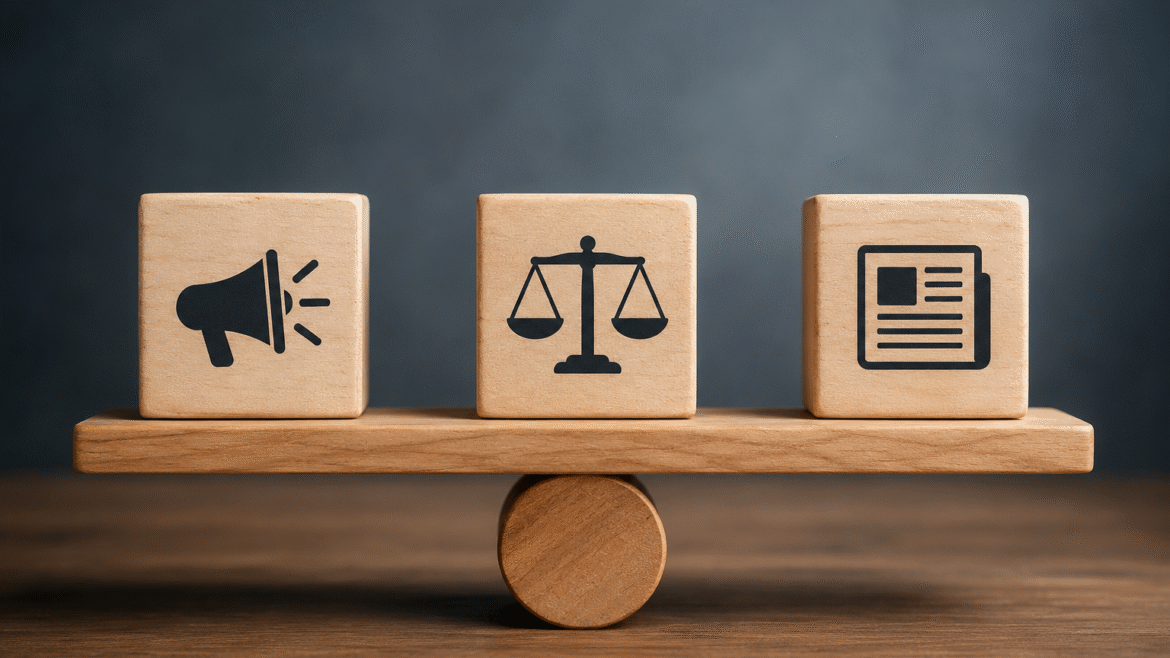
Usually permanent or recorded publication
Usually transient or spoken publication
Accordingly, a person alleging libel is alleging a form of defamation. The central questions still include meaning, identification, publication, serious harm and defence. Read more about the broader claim on our Defamation Claims page and about the two traditional forms on our Libel & Slander Disputes page.
Slander vs Defamation: What Is the Difference?
The relationship is the same in principle: defamation is the wider field, while slander is traditionally the form involving transient communication, most commonly speech. A slander claim is therefore a type of defamation claim, not a separate area with no connection to defamation law.
The practical distinction is that slander can involve additional questions about proof of specific damage and applicable exceptions. Those questions sit alongside, rather than replace, the serious-harm requirement and other elements of a defamation claim.
Examples of Libel, Slander and Defamation
A public online post alleges that a regulated professional deliberately falsified client records. The post identifies the professional, is seen by clients and remains searchable.
During a meeting, one person verbally accuses a business owner of serious dishonesty in front of customers and commercial partners.
This is the wider area of law potentially encompassing either situation if the relevant legal requirements are satisfied and no defence defeats the claim.
These examples illustrate the terminology only. Whether either allegation is actionable would depend on the meaning conveyed, the people who received it, whether the claimant was identifiable, actual or likely serious harm, the evidence and any defence.
Does one of these situations resemble something that has happened to you?
Speak to Ask Legal Solicitors on 0161 436 0000 or contact us online to discuss the circumstances.
What Do You Need to Establish in a Defamation Claim?
The terminology is only the first step. A potential libel or slander claim usually requires a structured assessment of the statement, its meaning, its publication and its impact.
This is an educational guide, not an automated test of whether a claim exists. Each stage can involve factual and legal issues that depend on the complete context.
Was a statement made?
A statement is not limited to a written sentence. The Defamation Act 2013 recognises that meaning can be conveyed through words, pictures, visual images, gestures or another method of signifying meaning. The relevant communication should be identified precisely rather than described only in general terms.
Did the statement refer to the claimant?
The claimant does not always need to be named. The question may be whether people who received the communication could reasonably understand it to refer to that person or organisation. Identifying details, context and the audience’s prior knowledge can matter.
Was the statement published to somebody else?
In defamation law, publication generally means communication to at least one person other than the claimant. A message sent only to the person it concerns raises a different issue from the same allegation sent to colleagues, customers or a group chat.
What did the statement mean?
The legal meaning may not be limited to the publisher’s intended meaning or the claimant’s personal interpretation. The words and their context are considered together to determine the meaning conveyed to an ordinary reader or listener. Implication and inference can be as important as an express allegation.
Was the meaning defamatory?
Something can be rude, embarrassing or offensive without being defamatory. The question is whether the meaning is of a kind that harms reputation in the eyes of others, assessed according to the legal test and the context in which it was communicated.
Has serious harm occurred or is it likely?
The serious-harm threshold requires attention to the actual or likely consequences of publication. Audience, gravity, credibility, extent of circulation, repetition and evidence of consequences may all be relevant. A company or other body trading for profit must show serious financial loss.
Is there a defence?
Even where the statement refers to the claimant, has been published and appears harmful, liability does not automatically follow. Truth, honest opinion, publication on a matter of public interest and privilege are among the matters that may provide a defence.
Our Defamation Claims page explains how these elements may be reviewed in practice. If you are unsure whether your circumstances satisfy them, you can also speak to our civil litigation team.
Does a Defamatory Statement Have to Be False?
A person cannot establish a successful claim simply because they dislike or dispute what has been said. Truth is a statutory defence. Broadly, the defendant may have a defence if they can show that the imputation conveyed by the statement is substantially true.
This does not mean every dispute can be resolved by one side labelling the statement true or false. The court may first need to determine the meaning of the publication and then examine evidence relevant to that meaning. A publication may also contain several allegations or combine statements of fact and opinion.
What Defences Can Apply to Libel and Slander?
Defences are a central part of defamation law. The following summary introduces the principal possibilities without attempting to replace advice on the exact publication.
Truth
Section 2 of the Defamation Act 2013 provides a defence where the defendant shows that the imputation conveyed by the statement complained of is substantially true. The issue is the substance of the defamatory meaning, not whether every minor detail is perfectly accurate.
Honest opinion
This defence can apply where the statement was recognisable as opinion, indicated the basis of that opinion in general or specific terms, and an honest person could have held it on the basis permitted by section 3. Merely calling an allegation an opinion does not guarantee that the defence applies.
Publication on a matter of public interest
Section 4 can provide a defence where the statement concerned a matter of public interest and the defendant reasonably believed that publishing it was in the public interest. Public curiosity and legal public interest are not necessarily the same thing, and the circumstances of publication matter.
Privilege
Some statements made on particular occasions may be protected by absolute or qualified privilege. Examples can include certain statements made in legal proceedings, Parliament or fair and accurate reports of specified proceedings. The scope of privilege depends on the occasion, the publication and the applicable rules.
Other statutory or common-law protections may also be relevant, including rules affecting website operators and secondary publishers. Anyone bringing or defending a claim should avoid assuming that one defence necessarily applies without examining its legal conditions. Our Libel & Slander Disputes page explains how advice can be obtained about either side of a dispute.
Can Social-Media Posts Be Libel?
Yes, a social-media publication can potentially amount to libel. Defamation law is not avoided simply because a statement appears on a social platform rather than in a newspaper or letter.
Potentially relevant online publications include:
- posts and comments;
- reviews;
- images, captions and edited media;
- shared posts or repetitions of allegations;
- public profile statements; and
- material published through groups, forums or community pages.
Context still matters. A repost or repetition does not create liability automatically, but repeating an allegation can amount to a further publication. The identity of the publisher, audience, words added, platform settings, extent of circulation and statutory rules may all require attention.
Online allegations can also affect wider personal or professional standing. Our Reputational Damage Claims page considers disputes where damaging publications have wider consequences.
What About WhatsApp, Emails and Private Messages?
The word “private” does not necessarily mean that no publication has occurred. The important question is who received the communication.
An allegation sent only to the individual it concerns is ordinarily different from an allegation sent into a WhatsApp group, emailed to colleagues, copied to customers or circulated among several people. A limited audience may still satisfy the third-party publication requirement, although the number and identity of recipients can be relevant to serious harm.
Emails and messages should be preserved with their dates, participants and surrounding conversation where possible. An isolated excerpt may give a misleading picture of meaning or context. If a message has been circulated within a workplace or professional network, you can contact our civil litigation solicitors to discuss how publication may be assessed.
What Evidence Is Useful in a Libel or Slander Dispute?
Evidence should preserve the statement itself, its context, how it was communicated and its consequences. Acting quickly can be important because posts may be edited, accounts removed and witnesses’ memories may fade.
Defamation Evidence Checklist
Preserve evidence lawfully. Do not hack accounts, impersonate another person, unlawfully obtain private material or assume that a covert recording is lawful or appropriate. A solicitor can advise about proportionate evidence preservation and what may be relevant or admissible.
If you are unsure what evidence matters, you can speak to our civil litigation solicitors before contacting the publisher or taking steps that may alter the evidence.
What Does “Serious Harm” to Reputation Mean?
The serious-harm requirement is designed to distinguish actionable defamation from minor reputational slights. It means that not every unpleasant comment, insult or limited criticism reaches the legal threshold.
The assessment is fact-specific. Relevant circumstances may include the seriousness of the allegation, the number and identity of recipients, the credibility of the publisher, the claimant’s existing reputation, repetition, evidence of how people reacted and actual consequences. A highly damaging allegation sent to a small but professionally important audience may require a different assessment from a trivial comment seen by many people.
For a body trading for profit, section 1 requires serious financial loss. Evidence connecting the publication with lost contracts, customers, income or other financial effects may therefore be especially important.
Serious harm cannot safely be assessed from the words alone. Publication and impact matter. The Defamation Claims page explains how a potential claim can be reviewed when the threshold is uncertain.
What Can You Do If You Have Been Libelled or Slandered?
Court proceedings are not automatically the first or only response. The sensible next step depends on the statement, whether publication is continuing, the evidence, urgency, desired outcome and potential defences.
Immediate public responses can sometimes increase circulation or create further disputes. Equally, delay may allow publication to spread or affect limitation. A measured assessment can help determine whether to seek removal, a correction, undertakings, settlement or formal relief.
Concerned about a statement made or published about you?
Call Ask Legal Solicitors on 0161 436 0000 or contact us online. You can also read how these disputes are approached on our Libel & Slander Disputes page.
What Remedies May Be Available?
The appropriate outcome depends on the objective and legal position. Some outcomes are negotiated between the parties; others are remedies a court may grant only where the legal requirements are met.
Possible negotiated outcomes
Negotiations may address removal, a correction, retraction, clarification, apology, an undertaking not to repeat the allegation, compensation, costs and agreed wording. An apology or correction is often a negotiated outcome rather than something that should automatically be described as a court-ordered remedy.
Potential court remedies
Where a claim succeeds, potential remedies can include damages and, where the applicable tests are satisfied, injunctive relief. The Defamation Act 2013 also contains powers concerning publication of a summary of the court’s judgment and, in specified circumstances, removal of a statement from a website or cessation of distribution.
No claimant is entitled to every possible remedy. Urgency, freedom of expression, proportionality, evidence, the defendant’s position and whether publication is continuing all matter. The Defamation Claims service explains how objectives and remedies may be assessed together.
How Long Do You Have to Bring a Defamation Claim?
Defamation claims generally have a short limitation period. Under section 4A of the Limitation Act 1980, an action for libel or slander generally must be brought within one year from the date on which the cause of action accrued.
The position can involve further rules, including the single-publication rule for certain subsequent publications and a limited judicial discretion concerning the time limit. Those provisions should not be treated as a reason to delay. Establishing the publication date, preserving evidence and taking advice promptly can be important.
Concerned about a potential defamation claim?
Time limits can be short. Call Ask Legal Solicitors on 0161 436 0000 or contact the civil litigation team for advice on your circumstances.
Frequently Asked Questions
What is the difference between libel and slander in the UK?
Libel generally concerns defamatory statements in a permanent or recorded form, while slander generally concerns transient communications, particularly speech. That is a useful summary rather than an absolute rule: a recording or broadcast of spoken words may be treated as libel, and the full context must be considered.
Is slander a form of defamation?
Yes. Slander is traditionally a form of defamation involving transient publication, usually spoken words. It remains subject to the wider requirements of defamation law and can involve additional questions about proof of specific loss.
Is libel a form of defamation?
Yes. Libel is traditionally the permanent or recorded form of defamation. Written articles, emails, online posts and reviews may potentially be libellous, but only if the legal requirements are met and no defence applies.
What is the difference between libel and defamation?
Defamation is the wider legal concept, while libel is one traditional category within it. A libel claim is therefore a type of defamation claim rather than an unrelated cause of action.
What is the difference between slander and defamation?
Defamation is the broad field covering actionable harm to reputation through published statements. Slander is the traditional category generally involving transient or spoken publication.
Can you sue someone for slander in the UK?
A slander claim may be possible in England and Wales where the legal requirements are satisfied. Publication to another person, defamatory meaning, serious harm, evidence, proof of damage where required and possible defences all need consideration. Read our dedicated guide, Can You Make a Slander Claim in the UK?, for the fuller explanation.
Can you sue over something written on social media?
Potentially, yes. A social-media post can amount to libel, but not every negative or allegedly false post is actionable. Meaning, identification, publication, serious harm and defences must be assessed in context.
Does defamation have to be written?
No. Written or recorded defamation is generally described as libel, while transient spoken defamation is generally described as slander. Images, gestures and other methods of communicating meaning can also be relevant.
Does somebody have to name you for a statement to be defamatory?
Not necessarily. The issue is whether people receiving the statement could reasonably understand it to refer to you. A description, role, image or surrounding context may identify somebody without naming them directly.
Does a defamatory statement have to be published publicly?
It does not need to appear in a newspaper or public post. Publication generally requires communication to at least one person other than the claimant. The size and importance of the audience can nevertheless affect serious harm.
Can a private message be defamatory?
Potentially, if it is communicated to a third party. A message sent solely to the person it concerns raises a different publication issue from a message sent to a group, copied to colleagues or forwarded to customers.
What evidence should I keep?
Keep the original publication, full screenshots, URLs, dates, account details, surrounding messages, recipient information, witness details and evidence of reputational or financial consequences. Preserve evidence lawfully and avoid editing the original material.
How long do I have to bring a defamation claim?
In England and Wales, the general limitation period for libel and slander is one year from accrual of the cause of action. Additional rules and limited discretion may apply, so prompt fact-specific advice is important rather than relying on a general summary.
Understanding the Difference Is Only the Starting Point
Defamation describes the wider legal wrong. Libel and slander describe the traditional forms in which the statement is published. The practical difference usually begins with permanence: libel is generally recorded or enduring, while slander is generally transient or spoken.
The more important question in a real dispute is not only which label applies, but whether an identifiable claimant has been referred to, whether the allegation was communicated to somebody else, what it meant, whether serious harm has occurred or is likely, what evidence exists and whether a defence applies.
If the issue specifically concerns words spoken about you, continue with our practical guide to whether you can make a slander claim in the UK. For broader information about legal assistance, visit our Defamation Claims, Libel & Slander Disputes and Reputational Damage Claims pages. You can also view the wider Civil Litigation service.
Need Advice About Something Said or Published About You?
Ask Legal Solicitors can assess the statement, its publication, the evidence, serious harm and any apparent defence before explaining the practical options.