

Reputational Damage Claims
Reputational harm can affect personal credibility, professional standing and commercial relationships, but the correct legal response depends on how the damage arose. The first task is to identify the publication, conduct or misuse of information and the legal right it may engage.
Discuss the reputational issue →
When does reputational damage become a legal issue?
Reputational damage describes the harm suffered. It is not, by itself, a single legal cause of action. A viable claim requires facts that engage a recognised legal right and evidence supporting the remedy sought.
The harm may begin with a false allegation, online review, press article, workplace communication, disclosure of private information, inaccurate personal data or a repeated campaign of publications. Although each can affect reputation, they do not all fall within defamation law and they do not share identical legal tests or time limits.
Defamation may be relevant where a publication conveys a defamatory meaning and causes or is likely to cause serious reputational harm. Other cases may be better analysed through malicious falsehood, misuse of private information, breach of confidence, data protection law, harassment by publication, contractual rights or another route arising from the underlying relationship.
The objective should therefore be defined before action is taken. The priority may be stopping publication, correcting the record, preserving employment or commercial relationships, recovering financial loss, preventing repetition or obtaining a public vindication. The best legal and practical strategy depends on that objective.
Reputational harm is not always an actionable claim
Reputation can be damaged by lawful criticism, true information, protected opinion, an unfavourable decision or conduct that is unfair but does not infringe a legal right.
Reputational harm
Negative publicity, criticism, rumours or loss of confidence may have real practical consequences. The existence of damage does not alone establish who is legally responsible or whether a court can provide the desired remedy.
An actionable legal claim
The publication or conduct satisfies the elements of a recognised cause of action, survives any defence, was committed by an appropriate defendant and supports a remedy connected to the proven harm.
This distinction prevents an urgent reputational problem from being forced into the wrong claim. A true but private disclosure, repeated targeted publications and inaccurate processing of personal data may each require a different analysis from a false defamatory allegation.
How is the correct legal route identified?
Lawyers begin with the material and conduct rather than the label used by the claimant. The content, truth or privacy of the information, manner of publication, repetition, harm and objective all shape the route.
Defamation
Defamation addresses publications that refer to the claimant, convey a defamatory meaning and cause or are likely to cause serious harm, subject to defences including truth, honest opinion, public interest and privilege. A trading body must show serious financial loss or its likelihood.
Malicious falsehood
This route can protect economic interests against false statements published maliciously where the applicable damage requirements are met. It is not a substitute whenever a defamation claim is difficult: falsity, malice and financial consequence require their own evidence.
Privacy and confidence
Information can be damaging even when true. Misuse of private information considers whether there was a reasonable expectation of privacy and the balance with freedom of expression. Breach of confidence may apply where confidential information was held under an obligation and used or threatened to be used improperly.
Data protection
Reputational problems may involve inaccurate personal data, unlawful disclosure or other processing that breaches data protection law. Rectification, erasure or restriction rights may be relevant, and a court claim can seek enforcement and compensation where the statutory requirements and resulting damage or distress are established.
Harassment by publication
A repeated course of publications or communications may raise harassment issues where the conduct crosses the legal threshold and the defendant knew or ought to have known it amounted to harassment. This route focuses on the course of conduct, not merely whether one statement was defamatory.
Personal, professional and business reputation
Reputational harm is experienced differently depending on whose reputation is affected and the audience whose opinion matters.
Personal and professional standing
Allegations may affect relationships, employment, professional accreditation, public roles or trust within a particular community. Evidence can include changed treatment, lost opportunities, questions from recipients and decisions made after the publication. Distress may be relevant to some remedies, but it should not be confused with proof of every legal test.
Business and commercial reputation
A business may suffer cancelled orders, lost tenders, lender concern, supplier changes, reduced enquiries or damage to goodwill. Causation requires more than showing that performance declined after negative publicity. Market conditions, existing disputes and other commercial factors must be separated from the effect of the publication.
Different claimants may also have different rights. A statement about a company does not automatically give every director or employee a personal claim, and criticism of an individual does not necessarily establish loss to a connected business. Identification and harm must be assessed for each proposed claimant.
Common sources of reputational harm
The source affects reach, evidence and available intervention. These situations can engage different legal routes and should not automatically be treated as defamation.
Social media campaigns
Posts, videos, comments and coordinated repetition may raise issues of defamation, harassment, privacy, platform enforcement and evidence preservation.
Online reviews
Reviews can combine fact and opinion. Customer records, stated experience, platform rules, meaning and evidence of commercial impact all matter.
Press and online articles
Headlines, images, sources and the complete article inform meaning, while public-interest, privilege, privacy and correction issues may arise.
Workplace allegations
Internal reports and professional complaints can affect careers but may engage employment procedures, duties of confidence and qualified privilege.
Business and competitor disputes
Statements about products, solvency, honesty or competence may damage economic interests and require proof connecting publication to serious financial loss.
Private or inaccurate information
Disclosure of true private material or circulation of inaccurate personal data may require privacy, confidence or data-protection analysis rather than defamation alone.
Reputational issues can move between settings. A workplace allegation may be posted online; a private document may be quoted in the press; or a single review may become a repeated campaign. The chronology should record each publication and response separately.
Evidence, causation and measurable harm
A useful evidence record proves more than the existence of negative material. It connects the relevant publication or conduct to the audience, legal right and practical consequence.
Preserve complete screenshots, recordings or copies showing the content, account, publisher, URL, date, time and full context. Retain engagement data, republications, amendments and platform correspondence. For spoken allegations, record the precise words, speaker, recipients, date, location and witnesses as soon as possible.
Evidence of impact may include messages from recipients, employer or client reactions, lost instructions, cancelled contracts, reduced enquiries and contemporaneous internal records. Businesses should preserve financial data that can distinguish the effect of the publication from wider trading conditions.
Causation matters because reputational harm can have several contributing causes. Pre-existing publicity, the claimant's own response, independent reporting and unrelated commercial problems may affect both liability and value. A chronological, evidence-led assessment is more reliable than assuming every later difficulty resulted from the original statement.
Protecting reputation without increasing the damage
The first response can affect the scale of publication, evidence and prospect of resolution. Urgency should be balanced with control.
Preserve the material before requesting deletion. Identify who controls the content, who originally published it and whether further publication is threatened. A platform complaint may be useful, but it should be aligned with the legal position and should not replace evidence preservation or urgent limitation advice.
Consider whether a public response will correct the record or amplify the allegation. Repeating the accusation in a denial can introduce it to a wider audience. Communications with employees, clients and stakeholders should be accurate, proportionate and coordinated with the legal strategy.
Practical mitigation can include targeted clarification, engagement with a platform or publisher, search-result management through lawful means, internal stakeholder communication and steps to prevent further disclosure. These measures can support legal action but should not be presented as guaranteed removal from every online source.
Remedies, resolution and timing
The remedy should match the right infringed and the reputational objective. Removal alone may not correct an allegation already believed by an important audience, while damages alone may not prevent repetition.
A negotiated outcome may include takedown or amendment, a correction, apology, retraction, clarification, non-repetition undertaking, confidentiality terms, compensation and costs. The wording, prominence and audience of corrective material are important where the purpose is to restore the record.
Injunctions may be available in appropriate cases involving threatened or repeated publication, misuse of private information, breach of confidence or harassment. Interim restrictions engage freedom-of-expression considerations and require careful, urgent analysis; they should not be described as an automatic takedown remedy.
The Media and Communications Claims Pre-Action Protocol provides the framework for defamation, privacy, data-protection and harassment-by- publication claims and certain related publication disputes. It expects early identification of the publication, legal basis, harm and remedies, followed by a reasoned response and consideration of settlement or alternative dispute resolution.
Limitation differs between causes of action. Defamation and malicious falsehood generally carry an unusually short one-year period, while other routes may use different rules. Continued online access does not necessarily restart time for a defamation claim. The correct claim and publication date should therefore be identified promptly.
Whatever your situation, our solicitors can provide clear, confidential guidance tailored to you.
Whatever your situation, our solicitors can provide clear, confidential guidance tailored to you.
Reputational Damage Claims FAQs
Practical answers about legal routes, evidence, business harm, takedowns and reputation protection.
Is reputational damage a standalone legal claim?
Not usually as a single generic cause of action. The facts may engage defamation, malicious falsehood, privacy, confidence, data protection, harassment or another legal right. The correct basis must be identified.
Is reputational damage the same as defamation?
No. Reputational damage is the broader problem. Defamation is one legal route applying to publications that meet its requirements, including defamatory meaning and serious harm, subject to defences.
What if the damaging information is true but private?
Truth may defeat a defamation claim but does not automatically answer privacy or confidence issues. The expectation of privacy, source, public domain, purpose and freedom-of-expression balance may require separate analysis.
Can inaccurate personal data be corrected or removed?
Data-protection rights may support rectification, erasure or restriction in appropriate circumstances. Those rights are qualified and depend on the processing, accuracy, legal basis and applicable exemptions.
Can repeated online attacks amount to harassment?
Potentially. Harassment generally requires a course of conduct crossing the statutory threshold, not simply an upsetting isolated post. The sequence, content, frequency, knowledge and reasonableness all matter.
What evidence should I preserve?
Keep complete copies showing content, context, publisher, URL, dates and reach, together with messages, commercial records and other evidence connecting the material with personal, professional or financial consequences.
Can harmful content be removed immediately?
Sometimes removal can be requested from the publisher or platform, and urgent court relief may be considered in an appropriate case. Neither route is automatic, so preserve evidence and assess the legal basis first.
What remedies may be available?
Depending on the legal route, outcomes may include removal, correction, apology, retraction, undertakings, rectification of data, injunctions, damages and costs.
How long do I have to act?
Time limits depend on the cause of action. Defamation and malicious falsehood generally have a one-year period, while other claims may differ. Prompt advice is important.
Can the dispute be resolved without litigation?
Yes. Targeted correspondence, platform processes, negotiation and mediation may secure corrective and protective outcomes. Litigation may remain necessary where publication or harm continues or liability is disputed.
Discuss the harm and the outcome you need
If publications, disclosures or repeated communications are affecting your personal or commercial reputation, we can consider the material, legal rights, evidence and practical objective before explaining the available routes.
An initial enquiry can help identify urgent preservation, limitation or injunction issues and whether corrective, regulatory, platform or court action is appropriate.
Call 0161 436 0000Latest News & Useful Information

Learn how to challenge unfair deductions from your tenancy deposit, what evidence can help your case, and when a landlord may be acting unreasonably.

If your landlord protected your deposit but failed to give you the required prescribed information, you may still be able to bring a tenancy deposit claim.
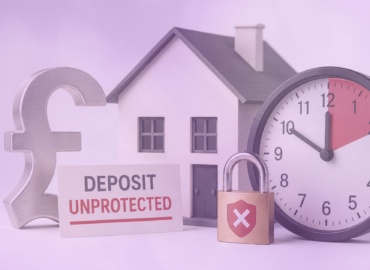
A landlord can sometimes protect a deposit late, but late protection may still leave them exposed to a compensation claim and affect their ability to serve notice.